Classroom reward ideas that cost nothing
Visible privileges beat small prizes. Give students jobs, seats and short minutes the whole room can see so praise happens in public. This guide sorts free classroom reward ideas by what the teacher gives up: a minute, a seat, or a choice, with whole-class and individual options.

classroom reward ideas that cost nothing focus on jobs, privileges and small public wins. Visible rewards make good behavior obvious, cost nothing and build classroom norms.
Rewards the room can see
Visible rewards push good behavior into the open. When a child earns a job or privilege, classmates notice and follow. A public win matters more than a private trinket because students show off the behavior to peers.
These rewards need no purchase. They ask the teacher to give up time, space or choice instead of money. For more ways to organize visible systems, see reward ideas that fit classroom routines.
Rewards that cost a minute
Minutes are small and flexible. You can add one or two to the day without disrupting learning. These seconds become visible when the whole group knows who earned them and why.
Use minutes as single prizes or class-wide bonuses. Keep them short so lessons stay on track. Offer them as immediate rewards when you want quick reinforcement.
- Extra 2 minutes of recess
- A 3-minute brain break of movement
- Five minutes of free drawing time
- 1 song played while working
- A short tech choice for learning time
- A quick read-aloud chapter picked by the winner
- Five minutes of silent reading in a comfy corner
- A brief teacher-led game of charades
- Extra writing time for a favorite topic
- Minutes added to cleanup or transition time
Give minutes immediately so children link behavior to reward. Use a timer students can see. Rotate who earns minutes so attention stays fair.
Rewards that cost a seat
Seats show status and let the whole room notice. Moving a child to a special chair or letting them sit with a friend gives instant recognition. A visible seat change sends a clear social message without any cost.
Keep seat rewards short and reversible. Use them for one activity, one subject or one day. Make the reason explicit so other students learn what behavior earns the perk.
- Sit in the teacher's chair for a task
- Choose your seat for the lesson
- Sit with a friend for one activity
- Move to the front row for a read-aloud
- Bring a cushion or lap pad for a day
- Assigned floor seating for a cozy lesson
- Seat at a special table with a classmate
- Sit at a standing desk for one period
Label seat rewards with the earned behavior. Rotate opportunities so quieter children get equal chances. If seating affects learning, set clear limits on duration.
Rewards that cost a choice
Choices let students steer part of class life. Picking a game or book rewards good behavior and shows trust. Giving up a choice costs nothing and signals respect to the child and the room.
Choices should be meaningful but classroom-safe. Offer options that keep teaching goals in place. Use clear, limited menus so decisions stay simple.
- Pick the next classroom game
- Pick the next read-aloud book
- Choose the line leader for a day
- Select the class warm-up activity
- Choose the art project for free time
- Pick the music for a transition
- Design the day's writing prompt
- Hold a class job for a week
Document choices on a visible board so the room sees who picked what. Tie choices to specific behaviors so credit is clear. Rotate selections to keep fairness.
Whole-class rewards
Whole-class rewards make peers accountable and visible. They work best when the class earns toward a common goal and the reward appears in front of everyone. Use a system that tallies effort or presents a visible win.
For systems that fit many clasrooms, consider a group chart or jar. You can learn more about group systems and how to set them up in the classroom reward section by the site. See classroom reward systems for setup tips.
- The class points chart that fills a visible meter
- A jar that gains a marble for each good behavior
- Pajama or book day when the jar fills
- A class picnic at the end of a run
- Extra class read-aloud time once the target is met
Balance group rewards to protect the quiet child. Give silent contributors a role like tracker or tally keeper. Break the class into small teams so every student can see their impact.
Individual rewards without a prize box
Skip a prize box and use tangible but free recognitions instead. Coupons, certificates and notes home make achievements real and last longer then cheap toys. A simple certificate can carry pride through the week and is easy to create.
For ready-to-print options and ideas for reward coupons, check the reward coupons and certificates pages. Templates help you produce consistent notes without fuss. See reward coupons and certificates.
- Behavior coupons for minutes, seats or choices
- Printed achievement certificates
- A personal positive note sent home
- A one-on-one moment with the teacher
- A classroom job card with the student's name
- A shout-out on the class board
- A phone call to a caregiver praising the child
- A leader role during a special activity
Keep coupons simple and redeemable in class. Let students trade short privileges for coupons to encourage saving and goal setting.
Rewards by grade
Age matters for what feels meaningful. Younger children prefer immediate, concrete rewards. Older students value choices and public recognition. Use the table below to match rewards to grade groups.
| Grade | Works | Falls flat |
|---|---|---|
| K to 1 | Short movement breaks, front row seat | Long choice menus, vague praise |
| 2 to 3 | Extra recess minutes, job tokens | Long waits for rewards, complex rules |
| 4 to 5 | Class jobs, small responsibilities | Child-only prizes that isolate peers |
| 6 to 8 | Public recognition, leadership roles | Stickers or small toys as main reward |
Adjust based on your class culture and maturity. Older students can handle delayed rewards if they trust the system. For behavior tracking tools suited to grades, see the behavior charts section at the site. Visit behavior charts.
Rewards to skip
Candy creates short-lived excitement and can cause problems. It links behavior to food and distracts from learning goals. Use nonfood rewards for lasting classroom gains.
Homework passes for every small action water down academic expectations. Reserve passes for real milestones and keep them rare enough to carry value.
Public rankings create winners and losers. They can shame quiet or struggling students and hurt trust. If you track points, frame them as personal progress, not a leaderboard.
Charts that go with this guide
Free one-page PDFs with a blank name line. Pick paper and ink once, every button changes.

Class Points
Class points chart: 5 goals, Monday to Friday, totals and class reward box.
Download letter PDF
Class Reward Coupons
8 cut-out classroom coupons: homework pass, line leader, extra recess and more.
Download letter PDF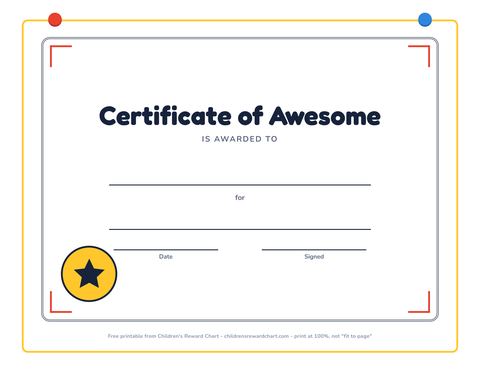
Certificate of Awesome
Landscape certificate with a name line, reason line, date and signature.
Download letter PDFStickers and paper for the chart
The reinforcer has to be in the drawer before the first star is earned. Links go to Amazon and we may earn a commission.
Questions parents ask
What are good classroom rewards that cost nothing?
Jobs, privileges and visible choices make strong free rewards. Let students pick a read-aloud, sit in the teacher chair, or earn extra minutes of recess. Public wins let peers notice the behavior which reinforces it more than private treats.
What can I give my students as rewards?
Offer short minutes, special seats, leadership roles or class choices. Use certificates, coupons and notes home instead of toys. Visible, immediate rewards link behavior to payoff and encourage classmates to copy good actions.
Should classroom rewards be for the whole class or individuals?
Both work when used together. Whole-class rewards build cooperation and peer responsibility. Individual rewards support personal progress. Keep group systems fair so quiet contributors are visible and recognized.
How often should students get rewards?
Give quick rewards often for new behaviors and stretch to rarer ones as habits form. Use small, immediate rewards like minutes for quick wins and larger privileges for sustained effort. Adjust frequency to keep rewards meaningful.
What are good rewards for kindergarten?
Kindergartners respond to very short, concrete rewards: movement breaks, front-row seats, stickers on a visible chart and simple jobs. Keep rewards immediate and predictable so young children link behavior to the outcome.
Read next
Short guides that end at a chart you can print tonight.
