- Home
- Feelings charts
- Kindness chart and manners chart
Kindness chart and manners chart
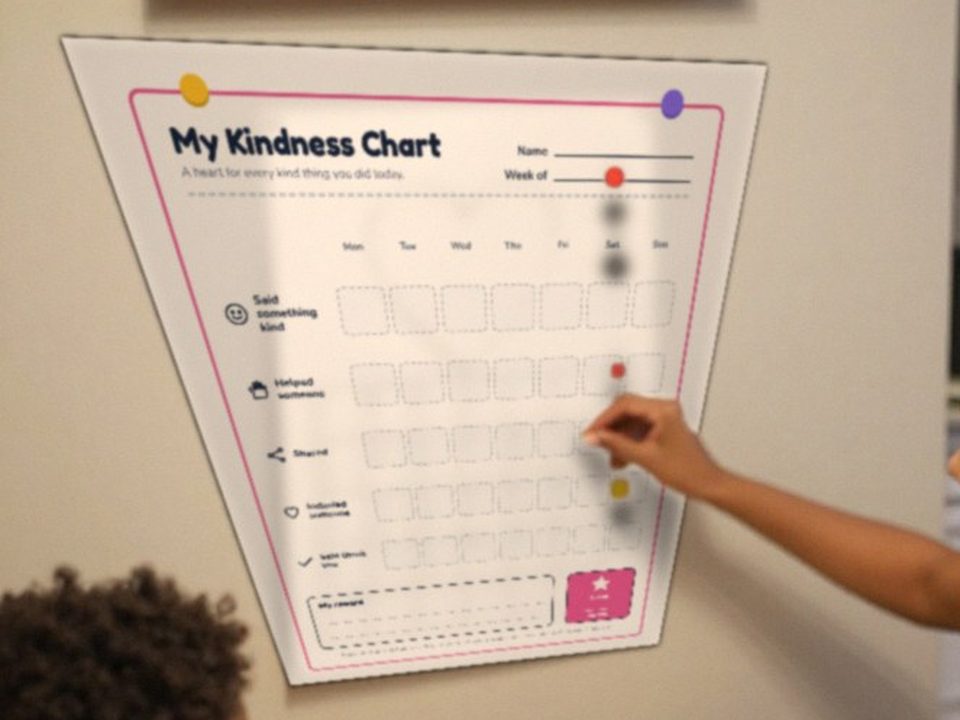
This kindness chart hands out credit when someone else notices a kind act. Use the chart tonight to record moments of care and attention.
Download the charts
One-page PDFs with a blank name line. Pick paper and ink once, every button changes.


The kindness chart
This printable kindness chart gives a sticker when a kind act is noticed by someone else. The sheet is meant to be filled by the person who received the kindness, not by the child who did it.
Each chart is a one page PDF in letter and A4 sizes, with a color and an ink saving version and a blank name line. Print at 100 percent, not fit to page. The reward boxes fit a 1.5 inch round sticker or a 1/2 inch star sticker.
You can use one sheet at home, in a classroom, or as a family board where the whole group shares a reward. See other printable feelings pages on our hub feelings charts and grab the file from downloads.
Noticed, not scheduled
The idea is simple: kindness cannot be scheduled, but it can be noticed. When someone sees a helpful or caring act, they name it and place a sticker on the kindness chart.
Naming the act out loud teaches language for kind actions and makes the moment stick for both people. It also turns short, real interactions into positive feedback that kids remember.
- Shared a toy without being asked
- Helped pick up a spill
- Said kind words to a friend
- Included someone in play
- Helped set the table
- Gave a sincere compliment
- Helped carry something light
- Stayed calm during a problem
A small list keeps things concrete. Try spotting one act a day to build the habit. For more ways to reward noticed behavior, check positive reinforcement ideas here.
The manners chart
The second printable on this page is a manners chart with five rows. The rows read: please and thank you, waited my turn, table manners, quiet voice inside, held the door.
This chart gives a sticker a day per row and includes a parent row too, so parents can model and join the tracking. The shared parent row makes manners a family practice, not just a child task.
Use the manners chart alongside other behavior pages to keep expectations clear. See charts for routines and kindergarten readiness at behavior charts.
A list of good manners by age
Use this table to set simple, age appropriate expectations and one clear thing to work on at a time. Keep the focus small so success is frequent.
| Age | Manners to expect | One to work on |
|---|---|---|
| 3 | Simple please and thank you | Brief turn taking |
| 4 to 5 | Use polite phrases | Follow simple table rules |
| 6 to 8 | Wait turns without fuss | Quiet voice indoors |
| 9 plus | Help with light chores | Respect others space |
Kindness charts for a classroom
A class kindness chart works as an anchor chart on the wall. Each time a clasmate or teacher notices a kind act, they add a sticker to the chart.
The class earns a shared reward when the group reaches a goal. Use a clear wall display so students can see progress and recall kind moments together. Explore classroom reward systems and ideas at classroom reward systems.
Guides on feelings
Short guides that end at a chart you can print tonight.

The 'how are you feeling today' chart: how to use a daily check-in
Use a daily check-in chart to help your child name feelings, and know what to do with the answer.

A mood tracker for kids: what to record and when to stop
Know what to record on a mood tracker, how long to keep it going, and when to stop before it becomes a chore.
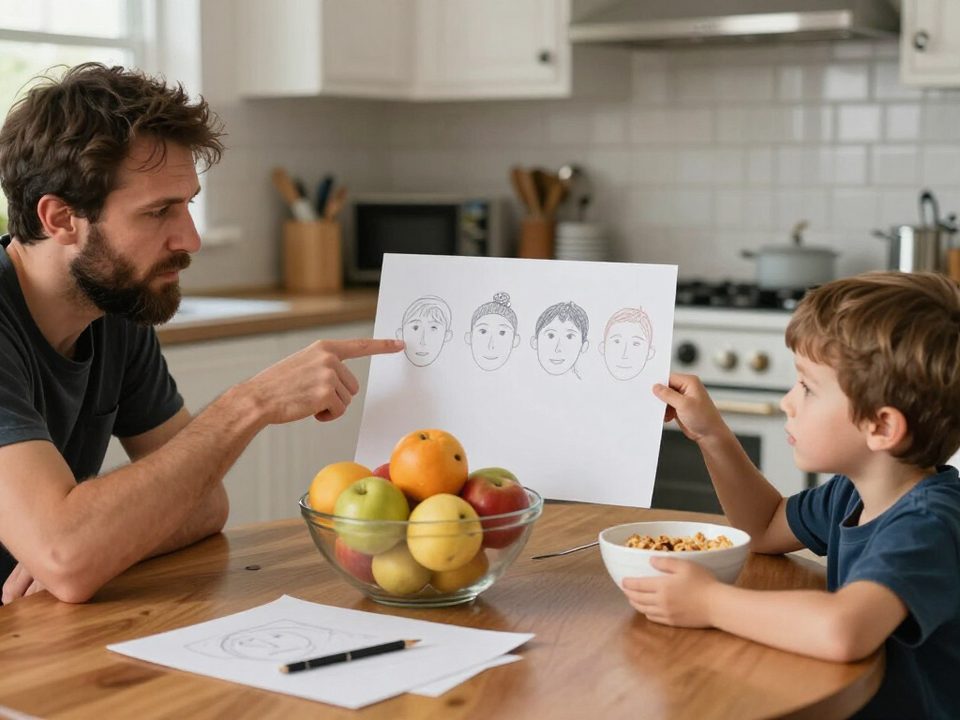
'What emotion am I feeling?' Helping a child name it
Help your child name what they feel, using a simple chart that turns big feelings into words.
Print it, then stick it to the fridge
Sticker paper that fits every chart on this site, and the bits that keep a chart up all week. Links go to Amazon and we may earn a commission.
Goes with a feelings chart
Feelings cards and a calm corner kit for the spot the chart hangs in.
Questions parents ask
What is a kindness chart?
A kindness chart is a printable page where someone who received a kind act places a sticker. It makes kind moments visible and encourages children to repeat small, helpful actions. The chart is meant to notice real behavior, not schedule it.
Who puts the sticker on a kindness chart?
The person who noticed or received the kindness places the sticker. That could be a peer, a sibling, a parent, or a teacher. Having the receiver add the sticker names the action and gives clear, immediate feedback.
What manners should a 5 year old have?
At five, kids can use please and thank you, wait short turns, and follow simple table rules. Keep expectations concrete and practice one habit at a time. Use the manners chart with a parent row so adults model the same skills.
Can a kindness chart be used in class?
Yes. A class kindness chart can hang on the wall as an anchor. Students or teachers add a sticker for noticed kind acts. The class can work toward a shared reward to celebrate the group.