Positive reinforcement examples for kids, at home and in class
Positive reinforcement means adding something right after a behavior so the behavior happens more often. These examples show you how to do it in the moment, at home or in class, with a sticker chart as the daily routine that makes it stick.

Positive reinforcement examples for kids are moments, not programs. A reinforcer only works if it lands within a minute of the behavior, so every example here is written as a moment: the behavior, then the thing that follows. That is what positive reinforcement examples look like in real life.
What positive reinforcement means
Positive reinforcement is simple: something is added right after a behavior, and the behavior happens more often. The child cleans up their blocks, and you say, "I love how you put every block in the bin." Cleaning up happens more often next time.
The thing you add is called a reinforcer. It can be praise, a sticker, a privilege, or 10 minutes of your undivided atention. It is about what follows the behavior, not about being nice.
You already use it without thinking. This guide just makes the moments deliberate. When the reinforcer arrives on time, the behavior sticks.
Positive reinforcement examples at home
These are everyday moments for kids aged 3 to 10. Each one pairs a specific behavior with a reinforcer that lands within a minute. Say what you saw, then deliver.
- Shoes on without a fight, then you say, "You got them on fast," and hand over the TV remote for the morning show.
- Teeth brushed without nagging, then you do a silly victory dance together in the bathroom.
- Sharing a toy with a sibling, then you give both kids a 5 minute timer for a turn on the tablet.
- Homework started before dinner, then you read an extra chapter of their favorite book at bedtime.
- Kind words to a sibling, then you whisper, "That was so kind," and give a high five.
- Picking up toys without being asked, then you put a sticker on the fridge chart immediately.
- Coming to the table on the first call, then they choose the music for dinner.
- Putting dirty clothes in the hamper, then they get first pick of the bedtime story.
- Using a calm voice instead of yelling, then you say, "I heard you," and give a thumbs up.
- Trying a new food without complaining, then they earn a small piece of the dessert you made.
Positive reinforcement examples in the classroom
Teachers can use these with individual students or the whole class. The reinforcer should arrive within a minute of the behavior, so keep it simple and fast.
A quiet signal works well. When a student follows it, they get a point or a sticker on their desk chart. The class learns that following directions earns a quick reward.
Notes home are powerful too. Write one short line about what the student did, and send it home in their folder. The parent reads it that night, so the reinforcer lands twice.
- A student raises their hand to answer, then you call on them and say, "Great thinking," and give a point.
- The whole class lines up quietly, then you start the next activity immediately instead of waiting.
- A student helps a classmate, then you give them a special job like passing out papers.
- The class cleans up fast, then you play a 2 minute game before the bell.
- A student follows a classroom rule, then you write a note home about it.
- The class earns 10 table points, then they get 10 minutes of free choice on Friday.
- A student stays on task, then you give them a sticker on their personal chart.
- The whole class works quietly, then you put a marble in the jar and show them.
Keep the rewards small and immediate. A 10 minute game beats a pizza party that happens next month. The behavior you want is the one you reinforce today.
Examples for toddlers and preschoolers
For a 3 year old, the reinforcer must arrive within seconds. A big reward on Friday does nothing for a toddler. The moment is everything.
Use one short phrase and the reward right away. No delays, no points, no charts yet. Just behavior, then something good.
- They put the book on the shelf, then you clap and say, "You did it!"
- They sit on the potty, then you do a happy song together.
- They wash their hands, then you give them the soap to pump themselves.
- They put on their coat, then you let them push the elevator button.
- They use words instead of grabbing, then you give them a big hug and say, "You told me what you wanted."
The reward can be tiny. A clap, a song, a button push. What matters is that it comes right after the behavior.
Examples that are not toys or food
You do not need to buy anything. The best reinforcers are free and already in your house.
Praise that names the behavior works: "You put your shoes in the basket without me asking." That tells the child exactly what to repeat.
Privileges, time with you, choice, and a special job all count. A child who gets to choose the family game feels powerful. A child who sets the table feels important.
- Praise that names the behavior
- A privilege like staying up 10 minutes later
- 10 minutes of one-on-one time with a parent
- Choosing the dinner music or the weekend activity
- A special job like watering the plant or feeding the cat
Positive vs negative reinforcement, with examples
Positive reinforcement adds something good. Negative reinforcement removes something unpleasant. Both make a behavior happen more often.
Punishment adds something bad or removes something good to make a behavior stop. Negative reinforcement is not punishment. It is still reinforcement because the behavior increases.
| Type | What changes | Example with a child |
|---|---|---|
| Positive reinforcement | Something is added | Child cleans up, gets a sticker |
| Negative reinforcement | Something is removed | Child does homework, nagging stops |
| Punishment | Something is added or removed | Child yells, loses screen time |
In negative reinforcement, the child does the behavior to make the bad thing go away. The nagging stops because the homework gets done. That is not punishment. Punishment makes the behavior less likely, not more.
How a sticker chart turns reinforcement into a routine
A sticker chart is simply a way to make the reinforcer arrive on time. The child does the behavior, and within a minute they stick the sticker on the chart. The sticker is the reinforcer, and the child does the sticking.
Write the reward on the chart before the first star. The child knows what they are working for. It can be a small privilege or a special outing, decided together.
Keep the chart for 3 to 6 weeks. Then fade it out. Start by skipping a day, then two. The behavior should be a habit by then. If it is not, run it another week and try again.
See the behavior charts and reward charts for free printable pages. You can also use a star chart or chore chart for specific tasks. For ideas on what to write as the reward, check reward ideas.
Mistakes that make reinforcement stop working
Most charts fizzle because the reinforcer arrives too late. A sticker on Friday does not reinforce Tuesday's behavior. The reward must follow the behavior within a minute.
Another mistake is making the reward too big and too far away. A trip to the water park is not a reinforcer for a 4 year old. It is a dream, not a consequence.
Never take stickers away. Once earned, they belong to the child. Taking them back teaches the child that the chart is a trap.
- Reward arrives late, like a prize on Friday for Monday's behavior
- Reward too big and far away, like a toy after 30 days
- Taking stickers away as punishment
- Rewarding the outcome instead of the behavior, like a clean room instead of picking up toys
- Never fading the chart, so the child stays dependent on it
Charts that go with this guide
Free one-page PDFs with a blank name line. Pick paper and ink once, every button changes.

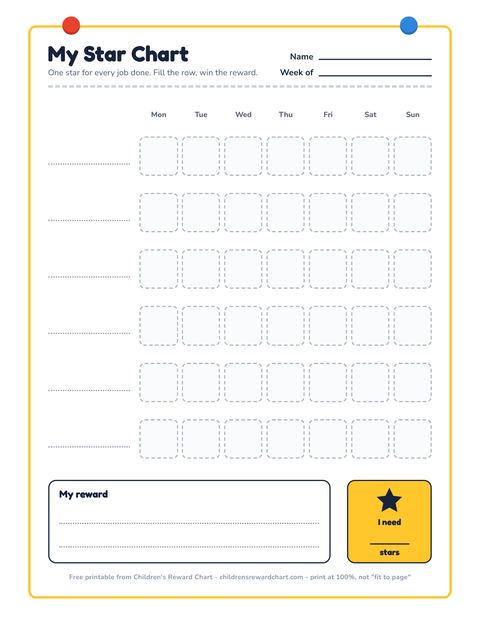
My Star Chart
7 days, 6 blank tasks, one reward box. The chart everyone starts with.
Download letter PDF
Reward Coupons
8 cut-out reward coupons: stay up late, pick the movie, park trip and more.
Download letter PDFStickers and paper for the chart
The reinforcer has to be in the drawer before the first star is earned. Links go to Amazon and we may earn a commission.
Questions parents ask
What is an example of positive reinforcement?
A child puts their shoes on without being asked, and you say, "You got your shoes on all by yourself," and give them a high five. The praise comes right after the behavior, so the child is more likely to put shoes on again tomorrow.
Are stickers positive reinforcement?
Yes, stickers are positive reinforcers when they are given immediately after a behavior. The sticker itself is the added thing. The child sticks it on the chart, which makes the moment concrete. Stickers work best for kids aged 3 to 10.
Is positive reinforcement the same as bribery?
No. Bribery happens before the behavior, like "If you stop crying, I will give you a candy." Positive reinforcement happens after the behavior, like "You used your calm voice, here is a sticker." Bribery rewards a problem. Reinforcement rewards a behavior you want to see again.
How long should a reward chart run?
Run a chart for 3 to 6 weeks. That is enough time for a behavior to become a habit. After that, start fading it out. Skip a day, then two. If the behavior slips, bring the chart back for another week and try again.
What are positive reinforcement examples for students?
A student raises their hand, and you call on them and say, "Great question." A student finishes their work, and you give them a sticker. A class lines up quietly, and you start the next activity right away. The reinforcer must come within a minute of the behavior.
Read next
Short guides that end at a chart you can print tonight.
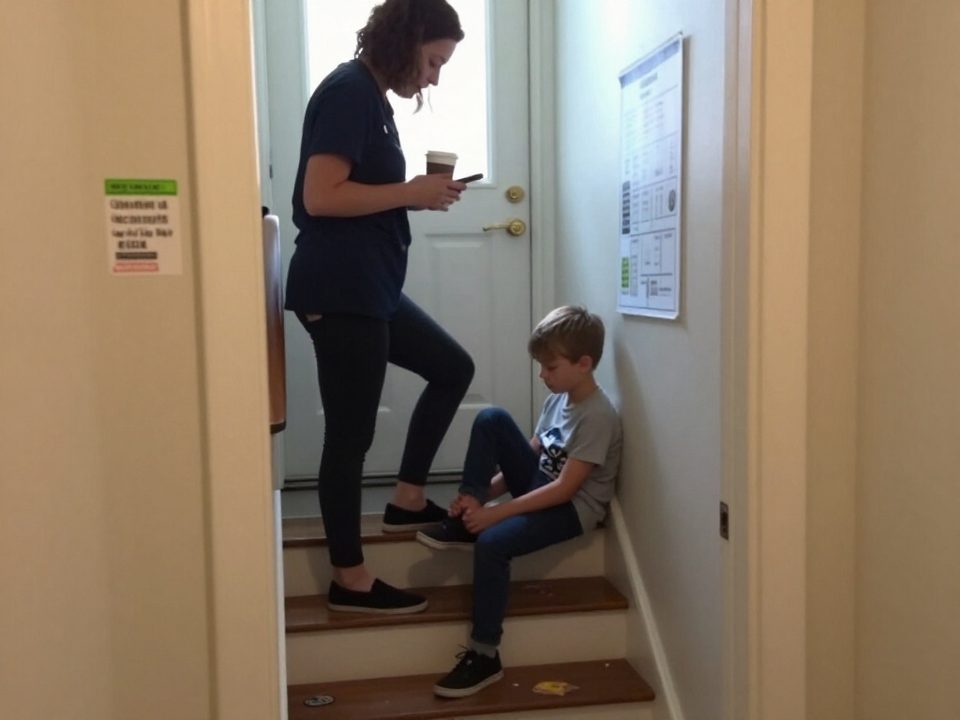
Positive vs negative reinforcement: what each one looks like with a child
Learn what negative reinforcement actually looks like with a child, and how to tell it apart from punishment, so you can choose the right chart.
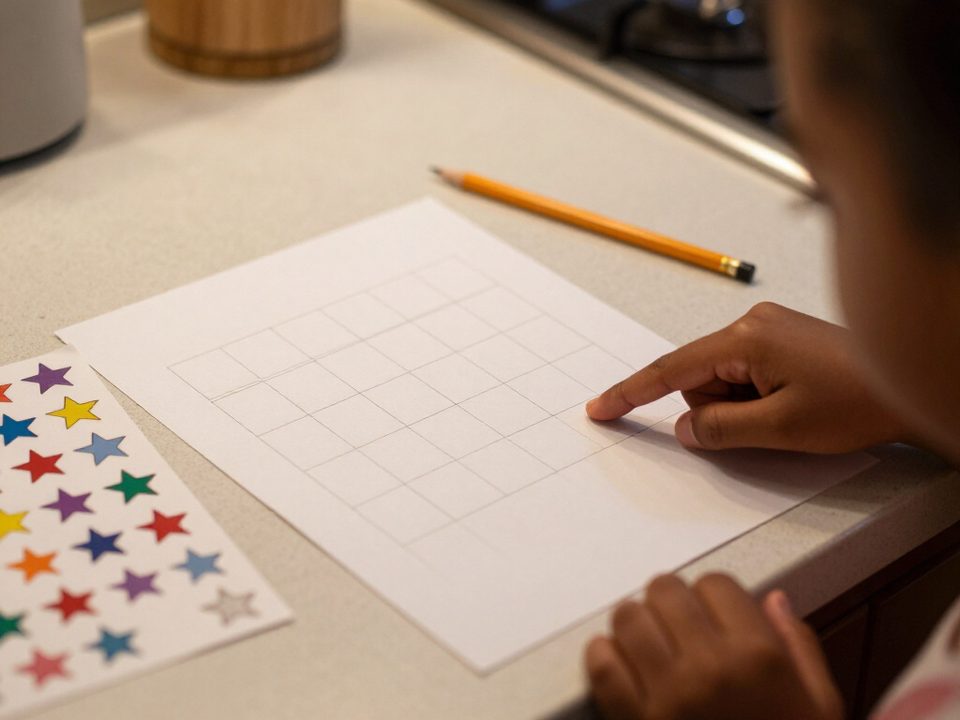
Behavior chart examples for home, with the goals that work
Browse behavior chart examples that work at home, with the goals that keep a child engaged past the first week.

Is rewarding good behavior bribery?
Get a clear answer on whether rewarding good behavior is bribery, and how to set up a chart that feels fair, not transactional.