Is rewarding good behavior bribery?
A bribe happens before the behavior to stop something bad. A reward happens after the behavior to grow something good. A chart fixes the timing by making the reward visible and earned.

Is rewarding good behavior bribery? It depends on when you pay. If you hand over a treat before the whining stops, that is a bribe. If you give a sticker after the shoes are on, that is a reward.
The difference is when, not what
Picture the checkout line. Your child asks for candy, you say no, and the whining starts. You pull out a lollipop and say, "Stop crying and I will give you this." That is a bribe. It happens before the behavior, and its job is to stop something bad.
Now picture the same line, but the day before, you said, "If you stay calm in the store, you get a star on your chart when we get home." The child stays calm, you give the star after. That is a reward. It happens after the behavior, and its job is to grow something good.
The thing in your hand can be identical. The words can be almost the same. The only difference is timing, and timing changes what the child learns. A bribe teaches that bad behavior starts a negotiation. A reward teaches that good behavior earns a payoff.
This is the core idea for reward charts: they move the payoff to after the behavior, in public, where the child can see it coming. That is why a chart is not a bribe. It is the opposite of a bribe.
Why bribes teach the wrong lesson
A bribe trains a child to escalate. The first time, a quiet whine gets the candy. The next time, the whine has to be louder because the child learned that is what works. The bad behavior is what starts the negotiation.
What does a bribe actually train? It trains the child to look for the moment when you are weakest. The checkout line, the phone call, the grocery cart. The child learns that persistence pays, and that your no does not mean no.
A bribe also trains you. It trains you to give in, because giving in stops the noise. The relief is real, but the lesson is wrong. The child does not learn to stay calm. The child learns to make you uncomfortable enough to pay.
This is why the word bribe matters. It is not a harsh label. It is an acurate one. And once you see the timing, you cannot unsee it.
Why rewards do not spoil a child
A reward that arrives after a wanted behavior does not spoil a child. It teaches cause and effect. The behavior came first, the reward came second. That is how grown-ups work too. You do your job, you get a paycheck. Nobody calls a paycheck a bribe.
The fear is that a child will only behave for the reward. But that is not what happens when a chart comes down. What happens is that the behavior becomes the habit. The child puts on shoes without being asked because the shoes always go on, and the chart is just a memory.
The fading is the key. You do not rip the chart away on a Tuesday. You stretch the rewards. Every other day, then every week, then the chart comes down. The behavior stays because it became the routine.
A reward is a tool, not a crutch. And a tool that is used correctly does not spoil anyone.
Rewarding bad behavior by accident
Parents reward the wrong thing all the time without meaning to. The reward is attention, a treat, or simply giving in. Here are six common ways it happens.
Each one feels like survival in the moment. But each one teaches the child that the bad behavior is what gets the payoff.
- Attention for whining: you look at the child and talk to them mid-whine.
- A treat to end a tantrum: you hand over a cookie to stop the screaming.
- Screen time to stop an argument: you turn on the tablet to get quiet.
- Giving in on the fifth ask: the child learns that four noes still mean yes.
- Laughing at rudeness: a giggle tells the child that a fresh comment is funny.
- Doing the chore for them: you finish the task so it gets done faster.
Notice what all six have in common. The reward comes after the bad behavior. The child learns that the bad behavior is the thing that works.
You can flip each one. Give attention after a calm request. Give a treat after a tantrum ends on its own. The timing is everything.
Praise, privileges and things
Not all rewards are stickers or toys. Praise is the cheapest and often the most powerful. The trick is to name the behavior you saw, so the child knows exactly what to repeat.
Here is how the three kinds of rewards compare.
| Reward type | Example | When it works best |
|---|---|---|
| Praise | "You put your shoes on fast." | Right after the behavior, every time |
| Privilege | Extra bedtime story | After a hard task, like a doctor visit |
| Thing | A small toy | After a week of a new habit |
A privilege is a reward that costs nothing and feels special. An extra book at bedtime, ten more minutes outside, choosing the family movie. These work because they are time with you.
A thing works best for a bigger goal, like a week of chores. But keep it small. The reward is the message, not the item.
For more ideas, see reward ideas and positive reinforcement examples.
How a chart keeps a reward from becoming a bribe
A chart fixes the timing problem. The reward is written before the week starts, earned after the behavior, and visible to everyone. The child knows the deal before the tantrum, so there is nothing to negotiate in the middle of it.
When a child sees the star on the chart, they know the reward is coming. It is not a bribe because the behavior came first. It is a promise kept.
The chart also makes the reward public. A child who earns a star in front of the family gets praise from everyone. That social moment is part of the reward, and it cannot be argued into existence.
If you want to see how the charts work, the why stickers work guide explains the mechanics.
When to stop rewarding
You stop rewarding when the behavior is the habit. Start by giving the reward every time. Then stretch it to every other day. Then weekly. Then the chart comes down.
The habit stays because the child has repeated it for weeks. The shoes go on because they always go on. The chart is a memory, not a crutch.
If it slips, do not panic. Put the chart back up for a week. The child will likely be happy to see it. The behavior was not lost, just the routine.
The fade is the plan from the start. You are not taking something away. You are letting the reward do its job and step aside.
A rule for the checkout line
The moment you are tempted to bribe, use this rule. Name the wanted behavior, promise nothing new, and point to the chart at home.
Say, "I need you to stay calm in the cart. When we get home, you can put a star on your chart." That is it. You named the behavior, you did not offer a new deal, and you pointed to the thing that already exists.
The child learns that the deal was made before, not in the moment. The chart is the promise, and you are just keeping it.
If you do not have a chart yet, the downloads page has free printables. Print one tonight and put it on the fridge before the next trip to the store.
Charts that go with this guide
Free one-page PDFs with a blank name line. Pick paper and ink once, every button changes.


Reward Coupons
8 cut-out reward coupons: stay up late, pick the movie, park trip and more.
Download letter PDF
My 20 Star Chart
20 numbered star boxes and a reward line. Fits a 1/2 inch star sticker.
Download letter PDFStickers and paper for the chart
The reinforcer has to be in the drawer before the first star is earned. Links go to Amazon and we may earn a commission.
Questions parents ask
Is rewarding good behavior the same as bribing?
No. A bribe is offered before the behavior to stop a bad one. A reward is given after the behavior to grow a good one. The timing is the whole difference. A chart makes the timing clear and keeps the reward after the behavior.
Will my child only behave for rewards?
Most children do not. The reward fades over weeks, and the behavior becomes the habit. The chart comes down, and the child keeps the routine. If the behavior slips, put the chart back up briefly. It is a tool, not a dependency.
What counts as rewarding bad behavior?
Anything that follows a bad behavior and makes it more likely to happen again. Giving a treat to end a tantrum, giving attention to whining, or giving in after the fifth ask all count. The reward comes after the bad behavior, so the child learns it works.
Is a sticker chart a bribe?
No. A sticker chart is a written deal made before the week starts. The sticker is earned after the behavior and given in public. The child cannot negotiate mid-tantrum because the deal was already made. That is the opposite of a bribe.
How do I stop rewards without the behavior stopping?
Fade the reward slowly. Give it every other day, then weekly, then stop. The behavior becomes routine before the reward ends. If it slips, bring the chart back for a week. The habit is still there, it just needs a reminder.
Read next
Short guides that end at a chart you can print tonight.

Positive reinforcement examples for kids, at home and in class
See real examples of positive reinforcement at home and in class, then print a chart that puts one into action tonight.
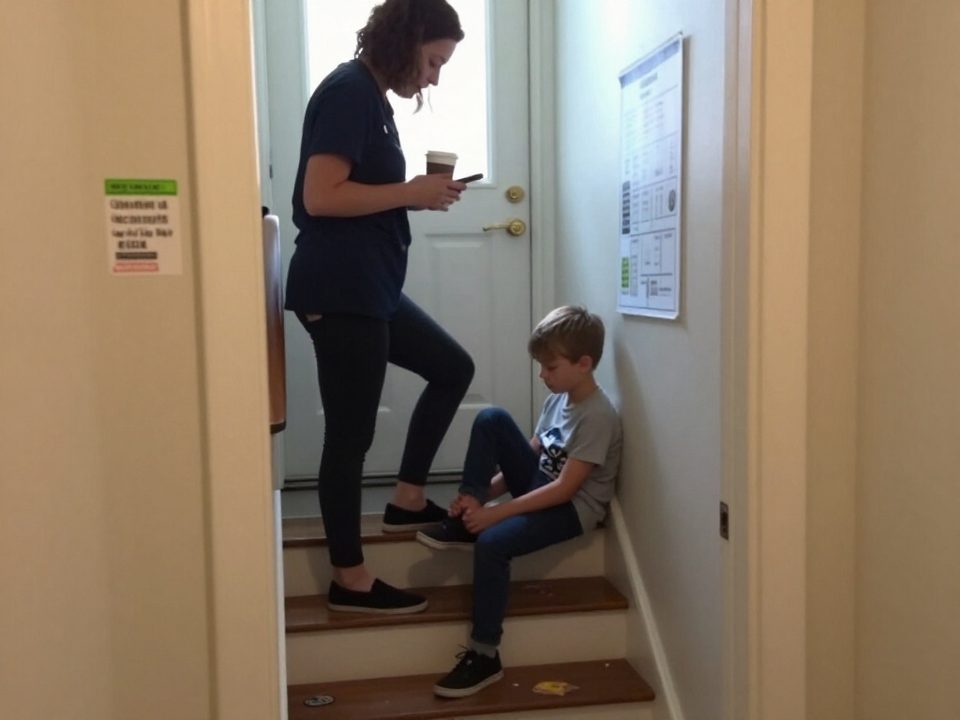
Positive vs negative reinforcement: what each one looks like with a child
Learn what negative reinforcement actually looks like with a child, and how to tell it apart from punishment, so you can choose the right chart.
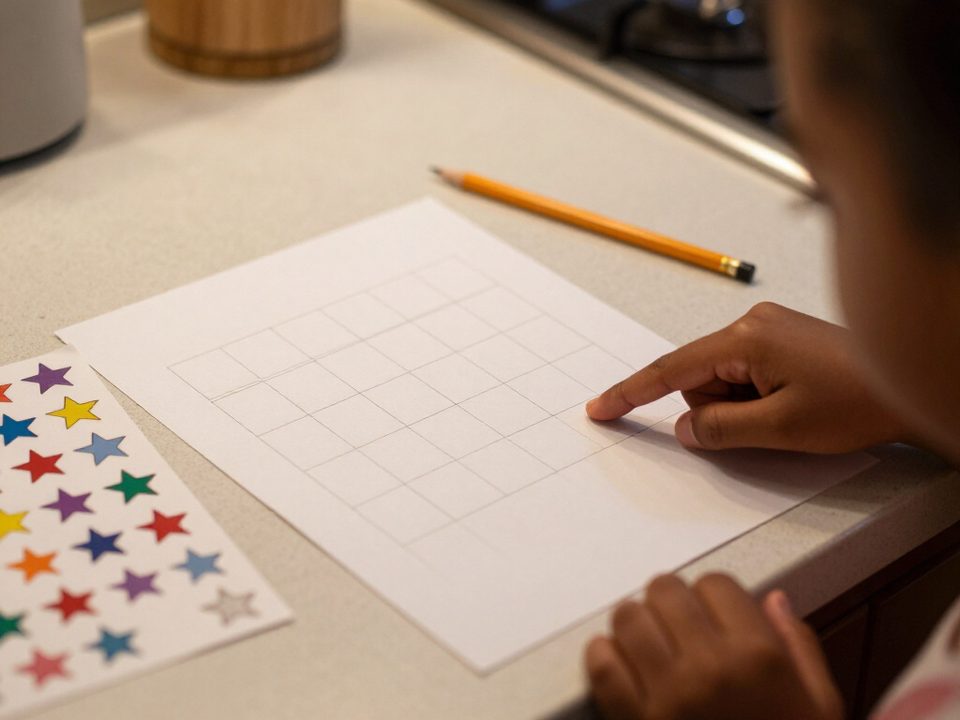
Behavior chart examples for home, with the goals that work
Browse behavior chart examples that work at home, with the goals that keep a child engaged past the first week.