Positive vs negative reinforcement: what each one looks like with a child
Negative reinforcement is the thing you already use when nagging stops as soon as shoes go on. This guide shows what negative reinforcement looks like, compares it to positive reinforcement, and explains how a sticker chart schedules the positive kind.
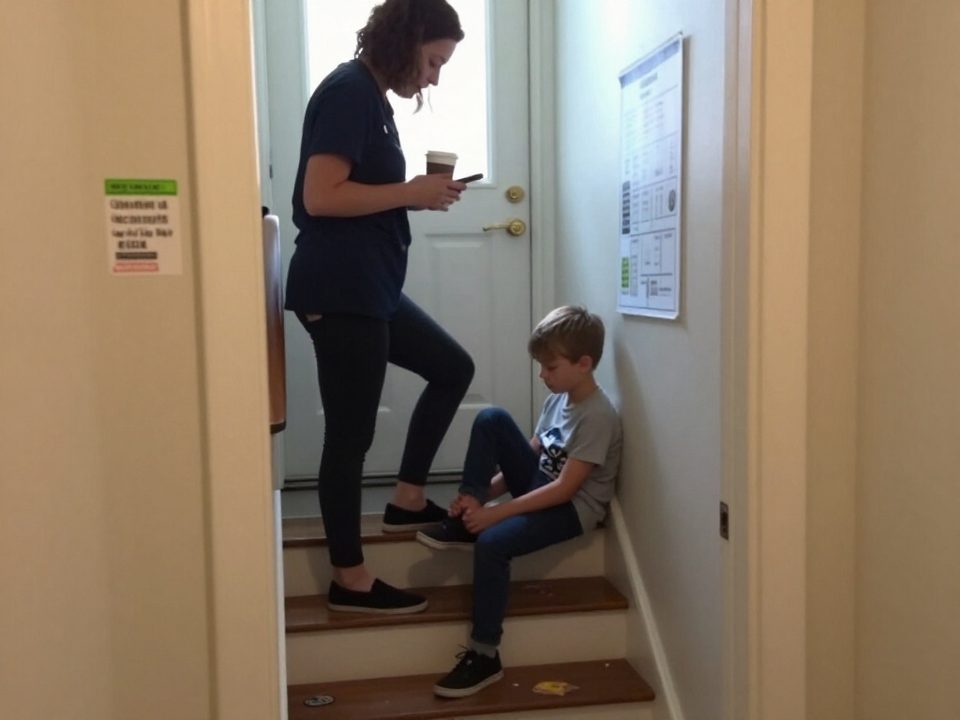
Negative reinforcement is the one many parents already use without knowing the name. This guide shows what negative reinforcement looks like, and how a sticker chart schedules the positive kind.
The two words mean add and remove, not good and bad
Reinforcement means you make a behavior more likely to happen again. The words positive and negative describe whether you add something or remove something when that behavior occurs.
Positive reinforcement adds an enjoyable thing after the child does what you want. Negative reinforcement removes an unpleasant thing when the child does the desired behavior.
Punishment is the third idea. It makes a behavior less likely. It is different from either kind of reinforcement.
- Positive reinforcement example: You give a sticker after your child brushes their teeth, so brushing happens again.
- Negative reinforcement example: You stop nagging when your child puts on shoes, so putting shoes on happens sooner.
- Punishment example: You take away screen time after hitting, so hitting happens less often.
A morning with both kinds in it
Imagine a short morning with a three year old. The story shows both kinds and the moments that are neither.
Dad calls from the kitchen. The child drifts. Dad raises his voice. The child ignores him longer. After another call, the child walks toward the shoes.
Label: Dad nagging, then stopping when shoes start, is negative reinforcement. The nagging is unpleasant, and it ends when the child acts.
Label: Mom saying, "Put on your shoes and get a sticker" is positive reinforcement. The sticker is added after the shoes go on.
Label: Mom stepping on a toy and saying ow is neither. It is a reaction but it does not follow a plan to increase or decrease behavior.
Negative reinforcement examples with a child
Here are everyday moments where something unpleasant stops when the child does the thing. Each example is negative reinforcement because the unpleasant thing is removed after the behavior.
Read these and see which happen in your home. You will likely spot a few you use every day without thinking.
- An alarm keeps buzzing until the child gets out of bed, so getting up stops the alarm.
- A parent nags about shoes until the child starts putting them on, so the nagging stops.
- A car seat chime rings until the seatbelt clicks, so the belt being buckled stops the sound.
- A timer beeps until the child returns a toy to its shelf, so cleaning stops the beep.
- Screen time ends when the child completes a chore, so finishing the chore stops worry about screens.
- A sibling tormenting stops when the child moves away, so leaving the room removes the bother.
- A homework reminder keeps repeating until the child opens the book, so starting homework silences the reminder.
- An older child does chores because the parent reduces reminders and fussing when the chores get done, so the fussing stops.
Positive reinforcement examples, for the comparison
Positive reinforcement adds something pleasant after the child does the wanted behavior. Here are examples you can try tonight.
If you want more ideas for praise, treats and small rewards, see the examples guide linked below.
- Brushes teeth, and gets a sticker added to the chart.
- Puts shoes on, and gets 10 minutes of reading with a parent.
- Shares a toy, and gets an extra play choice at bedtime.
- Follows a morning routine, and earns a token toward a small prize.
- Completes a chore, and gets a high five plus a sticker.
- Shows patience in line, and gets a note home praising their behavior.
For more ways to add small, predictable rewards, see positive reinforcement examples.
Negative reinforcement is not punishment
Parents often mix these up because both can change behavior. The table below shows what happens and how behavior changes for each option.
Read the rows to see why confusion happens. The same action can look like punishment or negative reinforcement depending on how it is used and what it follows.
| What happens | Effect on the behavior | Example |
|---|---|---|
| Positive reinforcement: something is added | Behavior becomes more likely | Sticker after teeth brushing |
| Negative reinforcement: something unpleasant stops | Behavior becomes more likely | Nagging stops when shoes go on |
| Punishment: something unpleasant is applied or a privilege removed | Behavior becomes less likely | Losing screen time after hitting |
Parents mix these up because the same scene can have elements of all three. For example, taking away a toy might feel like punishment, but if you remove a loud alarm when the child complies, that is negative reinforcement.
Another source of confusion is tone. A calm instruction that removes an annoyance counts as negative reinforcement. A harsh penalty that follows a misbehavior counts as punishment.
Which one to build a routine on
Negative reinforcement is easy to fall into because it is reactive. You nag until the behavior starts, and then you stop. That stopping teaches the child to act to make the annoyance stop.
Positive reinforcement is easier to schedule because you control when the reward arrives. You can plan a sticker or a short praise after a task, and it can happen every time the child does the behavior.
A chart helps move your house from reactive nagging to scheduled rewards. If you want a simple step to try, put one small reward on a visible plan and deliver it right away.
If you use an observation method to track triggers and results, an ABC chart can help you notice patterns. Try an ABC chart to see what currently stops or starts behaviors in your home.
How a sticker chart fits
A sticker chart turns positive reinforcement into a predictable routine. The chart schedules the reward, so you do not have to nag for each step.
On our site the charts are one-page PDFs in letter and A4. They come in a color and an ink saving black outline version, and each has a blank name line.
Use the chart so the sticker arrives within a minute of the behavior. Write the reward first and make the sticker small enough to fit the boxes: the reward boxes match a 1.5 inch round sticker or a 1/2 inch star sticker.
If you want charts for todlers or preschoolers, see our starter designs. Check behavior charts for toddlers and preschool and choose a simple chart that lists just two or three items. You can also browse our reward charts to find a look you like.
Mistakes on both sides
Both strategies fail when they are inconsistent or delayed. Here are six common mistakes and what to do instead.
Fixing these is mostly about timing and clarity. Make the plan visible and deliver the result quickly.
- Calling removal of a privilege negative reinforcement when it is actually punishment.
- Rewards that arrive late, so the child does not connect the behavior and the sticker.
- Relying on nagging as your only plan, so behavior happens only under pressure.
- Punishing after the chart, so the system becomes confusing and demotivating.
- Forgetting to fade rewards gradually, so the child expects a sticker for every small task forever.
- Using vague goals, so the child does not know exactly what earns the reward.
Charts that go with this guide
Free one-page PDFs with a blank name line. Pick paper and ink once, every button changes.

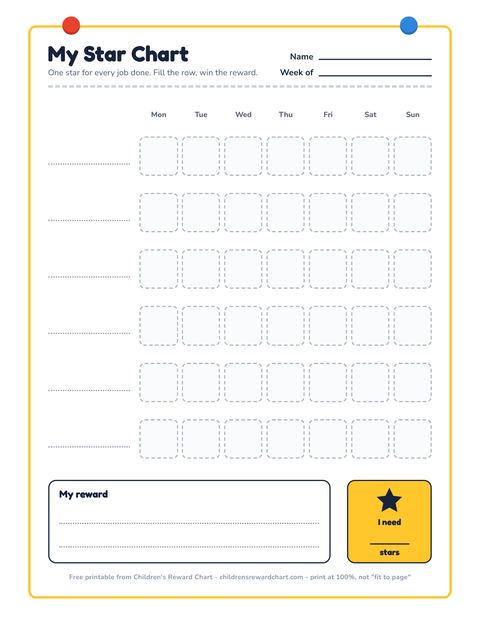
My Star Chart
7 days, 6 blank tasks, one reward box. The chart everyone starts with.
Download letter PDF
My Picture Chart
Picture behavior chart for toddlers and preschoolers, 4 big rows.
Download letter PDFStickers and paper for the chart
The reinforcer has to be in the drawer before the first star is earned. Links go to Amazon and we may earn a commission.
Questions parents ask
What is negative reinforcement in simple terms?
Negative reinforcement means removing an unpleasant thing when a child does the wanted behavior. The removal makes the behavior more likely. For example, nagging stops when the child puts on shoes, so the child learns to put on shoes to stop the nagging.
Is negative reinforcement the same as punishment?
No. Negative reinforcement increases the behavior by taking away something unpleasant. Punishment decreases a behavior by adding something unpleasant or taking away a privilege. They have opposite goals even if both feel uncomfortable.
Which works better with kids, positive or negative reinforcement?
Positive reinforcement is easier to plan and keep consistent because you control when the reward arrives. Negative reinforcement is easy to fall into but can make kids act only to stop annoyances. A scheduled positive plan usually gives steadier results.
Is a sticker chart positive reinforcement?
Yes, a sticker chart schedules positive reinforcement. You add a sticker after the behavior, which makes the behavior more likely. Deliver the sticker quickly and write the reward first so the child connects action and result.
Can I use both at the same time?
You can, but be careful. Mixing both without clarity confuses kids. Use charts and scheduled stickers for the habits you want to build, and keep any removal of annoyances deliberate so it does not become an accidental plan.
Read next
Short guides that end at a chart you can print tonight.

Positive reinforcement examples for kids, at home and in class
See real examples of positive reinforcement at home and in class, then print a chart that puts one into action tonight.
Behavior chart examples for home, with the goals that work
Browse behavior chart examples that work at home, with the goals that keep a child engaged past the first week.

Is rewarding good behavior bribery?
Get a clear answer on whether rewarding good behavior is bribery, and how to set up a chart that feels fair, not transactional.