- Home
- Behavior charts
- Abc behavior chart: antecedent, behavior, co
ABC behavior chart: antecedent, behavior, consequence
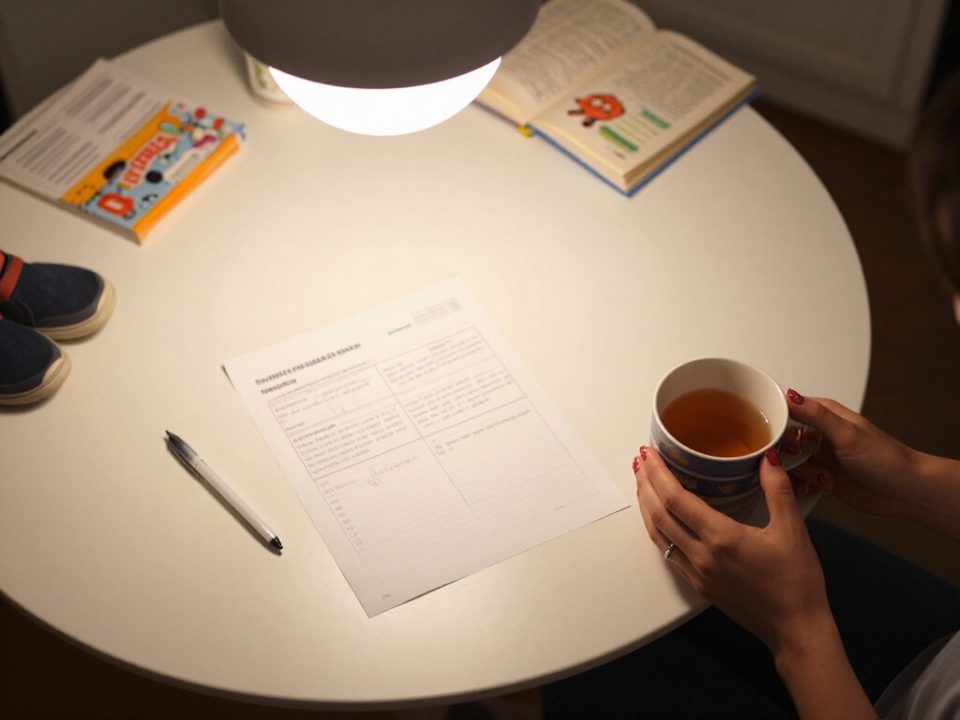
The ABC behavior chart helps you track antecedent, behavior and consequence in plain notes. Use it like a detective's notebook to find patterns and agree consequences in advance.
Download the charts
One-page PDFs with a blank name line. Pick paper and ink once, every button changes.

ABC Behavior Chart
Antecedent, behavior, consequence data sheet with date and time.
Download letter PDF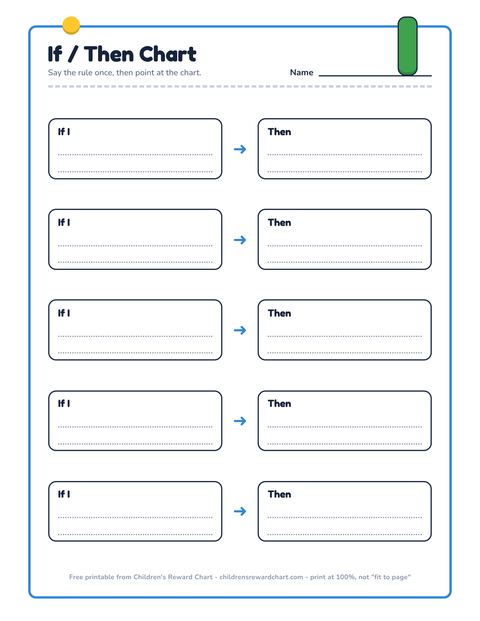
What the A, B and C stand for
ABC stands for antecedent, behavior and consequence. The sheet here gives a wide column for the A because parents often skip what happened before.
Write the antecedent as the immediate setting or trigger, the behavior in plain words, and the consequence as what folowed, including what you did. This keeps the record factual and useful.
- antecedent (what happened right before)
- behavior (what the child did, in plain words)
- consequence (what happened right after, including what you did)
Example row: Antecedent: "Asked to stop playing tablet, sister in room, loud noise." Behavior: "Threw tablet onto couch and yelled at sister." Consequence: "Tablet taken for 10 minutes, calm talk after 5 minutes."
How to fill in the ABC data sheet
Fill the sheet soon after the event. The notes are more accurate within the hour.
Keep entries short and factual. Describe what happened, do not judge the child.
- write within the hour
- describe not judge
- the before column in detail
- what you did in the after column
- five to ten entries before looking for a pattern
If you want a printable version, find the free one-page PDFs on the site downloads. The charts print in letter and A4, color and ink saving versions.
Reading the ABC chart
Patterns usually live in the A column, the antecedent. Look for rpeeats in time, place, people or demands. Fixing the trigger often stops the unwanted behavior.
Use the if-then chart on the same page to agree consequences ahead of time. That reduces surprise and arguments.
| Pattern in A | What it often means | One change to try |
|---|---|---|
| Same request repeated | Child resists task | Give a warning and choice |
| Tired time of day | Low patience, acting out | Move task to earlier time |
| Sibling nearby | Seeking attention | Give short solo time |
| Loud environment | Overstimulated | Offer a quiet break |
| Transition to bed | Anxiety about change | Use a calm routine |
Record five to ten entries to notice which antecedents repeat. Then try one simple change and record the result.
Rewards and consequences chart: the if-then chart
The if-then chart pairs an action with what follows. It is the second printable on the page and sits beside the ABC notes. Agree the if-then pairs with your child before the day starts.
Write the reward and the loss in advance so both of you know the outcome. Let the child help write the pairs. This builds buy-in and clarity.
- If you finish homework without fuss, then extra 10 minutes of play.
- If you hit before saying sorry, then do a calm repair task.
- If you get ready on first call, then choose tonight’s story.
- If you leave toys out after one reminder, then a quick clean up before playtime.
- If you speak kindly to sibling, then a sticker for the chart.
The if-then chart works best when consequences match the behavior and stay short. For more reward ideas see reward ideas. You can also review other printable behavior charts in the same section at behavior charts.
Consequences that teach and ones that do not
Consequences should help a child learn what to do next. Good consequences are short, related to the behavior and respectful.
Avoid long vague penalties that breed resentment. A clear practice of repair helps kids try again.
- natural result, where safe and related
- a brief do-over of the task
- repair, like fixing a broken item or apology
- short pause to calm down and retry
- loss of a specific, immediate privilege
- restorative conversation after cool down
- long bans without plan
- removing earned stickers to punish
- shouting or lecturing
For examples of how parents use charts like this, see behavior chart examples. If you prefer a simpler smiley option, try our smiley face chart.
More behavior charts
Every page hands out its own chart. All behavior charts.
Behavior chart for kids with ADHD
Short-interval chart (half days)
Free printableBehavior chart for adults (habit and accountability)
Adult habit chart
Free printableReward chart for autistic children (visual, token board)
Token board 5 and 10
Free printableChristmas behavior chart (countdown to the 25th)
Countdown chart
Free printableColor coded behavior chart (and the clip chart debate)
Color chart + alternatives
Free printableKindergarten behavior chart
hub set
Free printableFree printable behavior chart templates
Blank + editable PDF
Free printableSmiley face behavior chart
Smiley chart, daily
Free printableBehavior chart for toddlers and preschoolers
Picture behavior chart
Free printableBehavior tracking sheets, logs, point sheets and frequency charts
Tracking sheet pack
Free printableGuides on behavior and rewards
Short guides that end at a chart you can print tonight.

Positive reinforcement examples for kids, at home and in class
See real examples of positive reinforcement at home and in class, then print a chart that puts one into action tonight.
Positive vs negative reinforcement: what each one looks like with a child
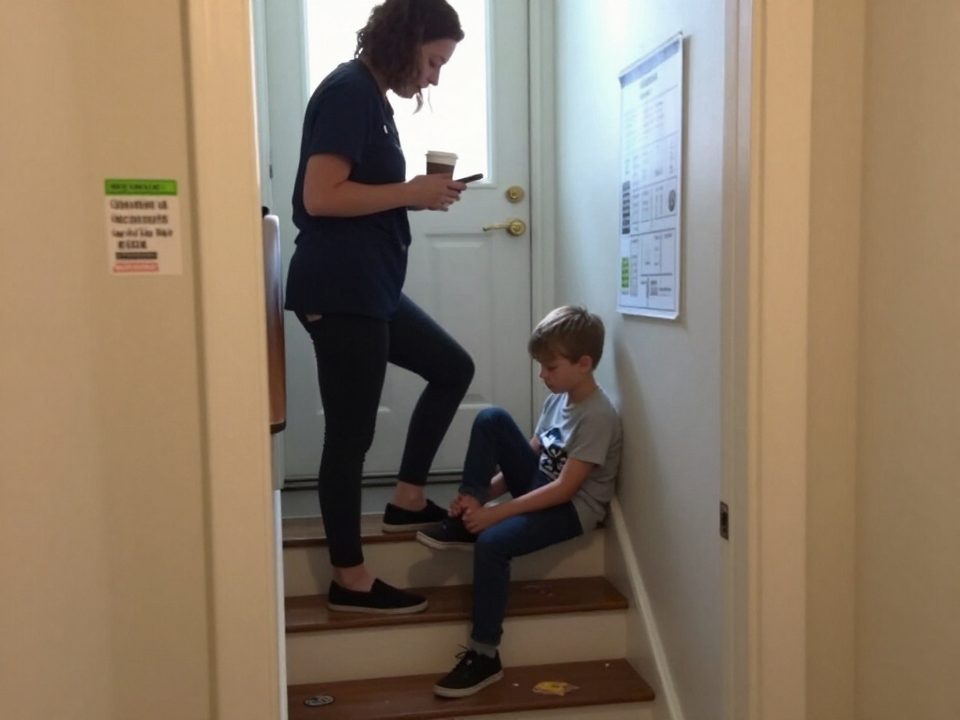
Learn what negative reinforcement actually looks like with a child, and how to tell it apart from punishment, so you can choose the right chart.
Behavior chart examples for home, with the goals that work
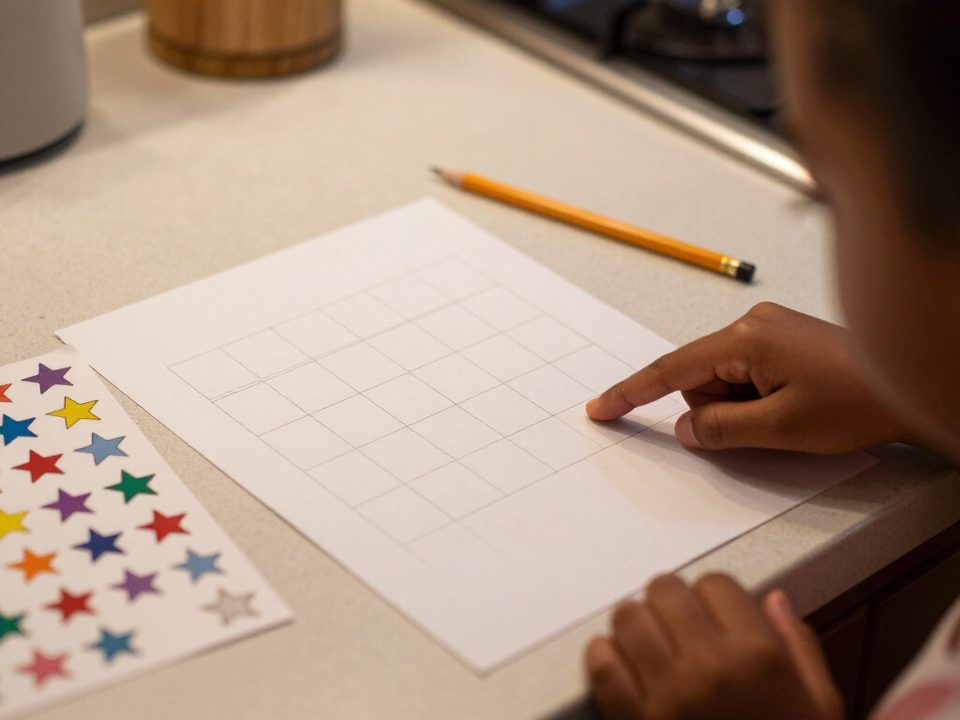
Browse behavior chart examples that work at home, with the goals that keep a child engaged past the first week.
Print it, then stick it to the fridge
Sticker paper that fits every chart on this site, and the bits that keep a chart up all week. Links go to Amazon and we may earn a commission.
Goes with a behavior chart
Smiley stickers, a timer for the short intervals and the magnets that keep it on the fridge.
Questions parents ask
What is an ABC behavior chart?
An ABC behavior chart is a simple record of antecedent, behavior and consequence. Parents write what happened right before, the behavior in plain words and what followed. It acts like a detective’s notebook to find triggers and agree outcomes in advance.
How do you fill in an ABC chart?
Write entries soon after events, within the hour. Note the setting, the exact behavior and the immediate consequence, including what you did. Do five to ten entries, then look for repeated antecedents to change.
What is the difference between a consequence and a punishment?
A consequence follows naturally and teaches what to do next. Punishment aims to hurt or shame. Consequences are short, related to the action and respectful. They help practice repair rather than cause fear.
What is an if-then chart?
An if-then chart lists agreed pairs of actions and outcomes ahead of time. If the child does X, then Y follows. It names rewards and losses clearly so both parent and child know what to expect.