- Home
- Behavior charts
- Smiley face behavior chart
Smiley face behavior chart
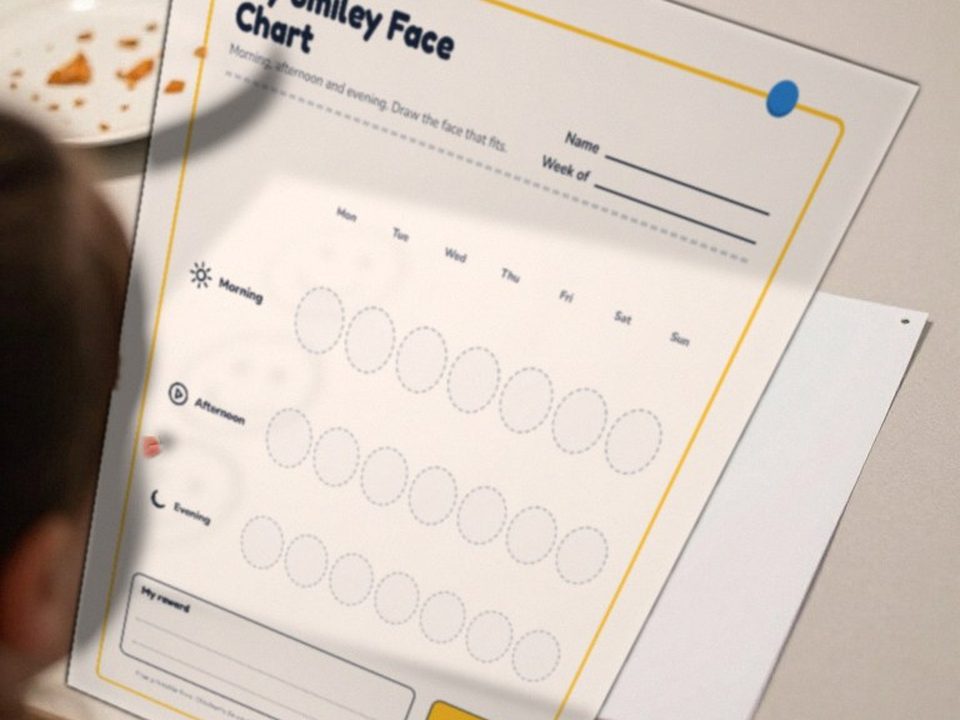
A smiley face behavior chart is the one chart your child draws on themselves. Instead of stickers, the chart has empty circles. Your child draws a smile, a straight mouth, or a frown at the end of each part of the day. That drawing is the review, and it is worth more than any sticker.
Download the charts
One-page PDFs with a blank name line. Pick paper and ink once, every button changes.

My Smiley Face Chart
Daily smiley face chart: 3 parts of the day, 7 days, big circles.
Download letter PDF
How a smiley face chart works
The chart is a grid of empty circles. Each circle stands for one part of the day or one day. Your child draws the face after the task or time is done. A smile means it went well, a straight mouth means so-so, a frown means it was hard.
The drawing is the conversation. You do not need stickers or rewards. The child looks at the circle and decides how it felt. That self-review is the real work of the chart.
You can use this chart tonight. Print it, put it on the fridge, and explain the three faces. Then let your child draw the first circle after dinner.
There is a longer guide on this: Is rewarding good behavior bribery?.
The daily smiley chart
The first printable has parts of the day down the side. Common ones are morning, breakfast, school, playtime, dinner, and bedtime. Across the top are empty circles, one for each day of the week. There is a blank name line at the top.
For a 3 to 6 year old, keep it simple. Pick three or four parts of the day. After each part, ask your child to draw the face. Do it right away, not later. The drawing is the review, and the review has to happen close to the moment.
Print at 100 percent, not fit to page. The boxes fit a 1.5 inch round sticker or a 1/2 inch star sticker if you want to add stickers later. But the faces work without them.
The weekly smiley chart
The second printable is for a 5 to 8 year old. Goals go down the side, like making the bed, doing homework, or helping with dishes. Each goal has a row of circles, one for each day of the week.
At the end of the week, count the smiles. That count is the review. The reward line at the bottom is for something you agree on together. It could be a special outing or a small treat. The reward is not the point, but it can help.
For older kids, let them set the goals. They will own the chart more. The Sunday count of smiles is a quiet moment to talk about the week.
What a frown means
A frown is information, not a punishment. It tells you that something was hard for your child. Do not erase it or scold it. Ask a simple question: what hapened? Then listen.
If a week has many frowns, the goal is wrong, not the child. Maybe the task is too big or the timing is off. Change the goal or break it into samller steps. The chart is a tool, not a report card.
Faces versus stickers
Faces beat stickers when you want self-review. A child who draws a frown has to think about why. A sticker only shows that an adult was happy. Faces also cost nothing and can be drawn on any paper or whiteboard.
Stickers beat faces for children under 3. A toddler understands a shiny star more than a drawn face. Stickers also feel like a treat, which can help start a new habit. For a middle ground, use smiley stickers. They give the same visual as a drawn face but with a sticker feel.
See our stickers page for the exact sizes that fit these charts. You can also browse all behavior charts or get reward ideas that do not involve stickers.
More behavior charts
Every page hands out its own chart. All behavior charts.
ABC behavior chart (antecedent behavior consequence)
ABC data sheet + if/then chart
Free printableBehavior chart for kids with ADHD
Short-interval chart (half days)
Free printableBehavior chart for adults (habit and accountability)
Adult habit chart
Free printableReward chart for autistic children (visual, token board)
Token board 5 and 10
Free printableChristmas behavior chart (countdown to the 25th)
Countdown chart
Free printableColor coded behavior chart (and the clip chart debate)
Color chart + alternatives
Free printableKindergarten behavior chart
hub set
Free printableFree printable behavior chart templates
Blank + editable PDF
Free printableBehavior chart for toddlers and preschoolers
Picture behavior chart
Free printableBehavior tracking sheets, logs, point sheets and frequency charts
Tracking sheet pack
Free printableGuides on behavior and rewards
Short guides that end at a chart you can print tonight.

Positive reinforcement examples for kids, at home and in class
See real examples of positive reinforcement at home and in class, then print a chart that puts one into action tonight.
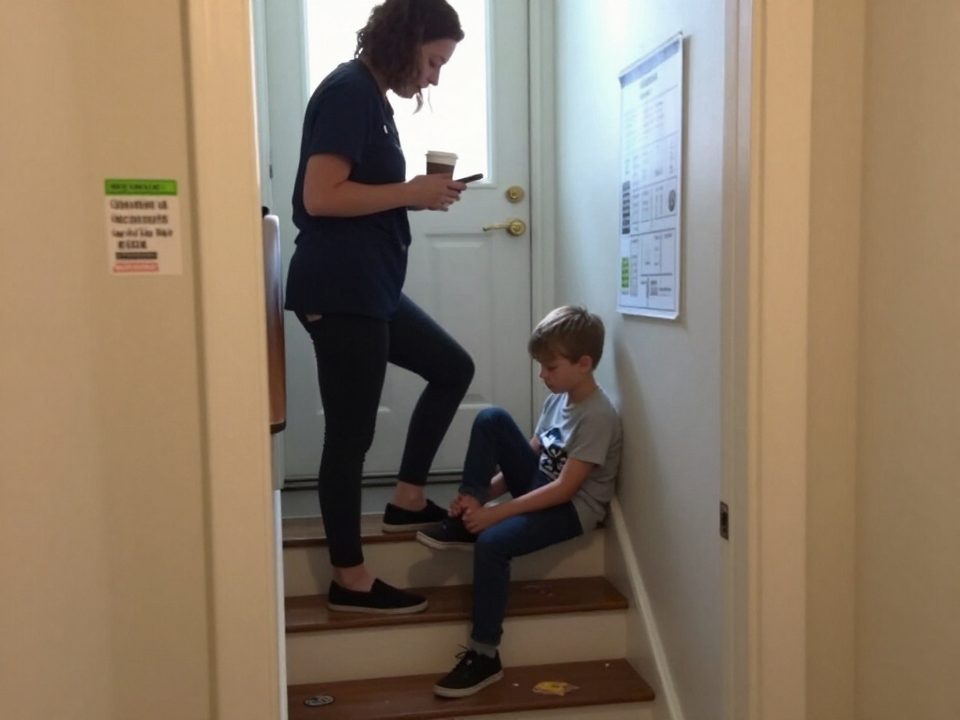
Positive vs negative reinforcement: what each one looks like with a child
Learn what negative reinforcement actually looks like with a child, and how to tell it apart from punishment, so you can choose the right chart.
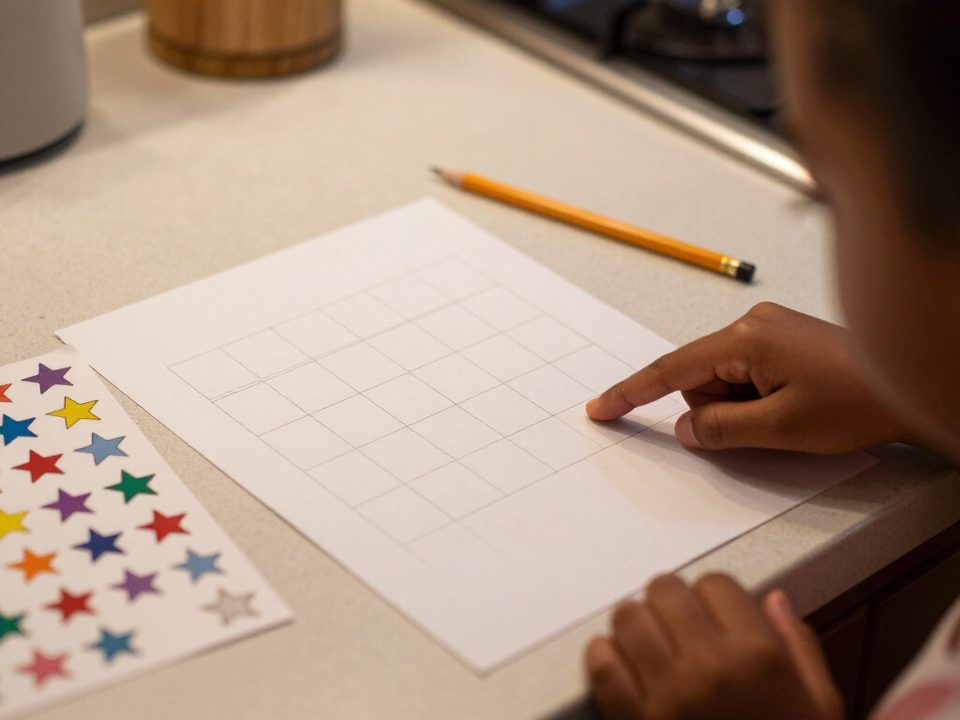
Behavior chart examples for home, with the goals that work
Browse behavior chart examples that work at home, with the goals that keep a child engaged past the first week.
Print it, then stick it to the fridge
Sticker paper that fits every chart on this site, and the bits that keep a chart up all week. Links go to Amazon and we may earn a commission.
Goes with a behavior chart
Smiley stickers, a timer for the short intervals and the magnets that keep it on the fridge.
Questions parents ask
How does a smiley face behavior chart work?
Your child draws a smile, a straight mouth, or a frown in an empty circle after each part of the day or each day. The drawing is a self-review. You talk about it briefly. No stickers are needed. The chart works because the child is the one judging the behavior.
What age is a smiley face chart for?
The daily chart works for ages 3 to 6. The weekly chart works for ages 5 to 8. For children under 3, stickers are usually better because they are simpler. For children over 8, a checklist or a tracking sheet may work better.
Who draws the faces on the chart?
The child draws the faces. That is the whole point. The child looks at the circle and decides which face matches the moment. You can help a younger child hold the pencil, but the child chooses the expression. The drawing is the review, not the parent's judgment.
What do I do about sad faces on the chart?
Do not erase or punish a sad face. Ask what happened and listen. A sad face is information about a hard moment. If many sad faces appear, change the goal or the routine. The chart is a conversation, not a verdict.