- Home
- Behavior charts
- Toddler behavior chart, with pictures
Toddler behavior chart, with pictures
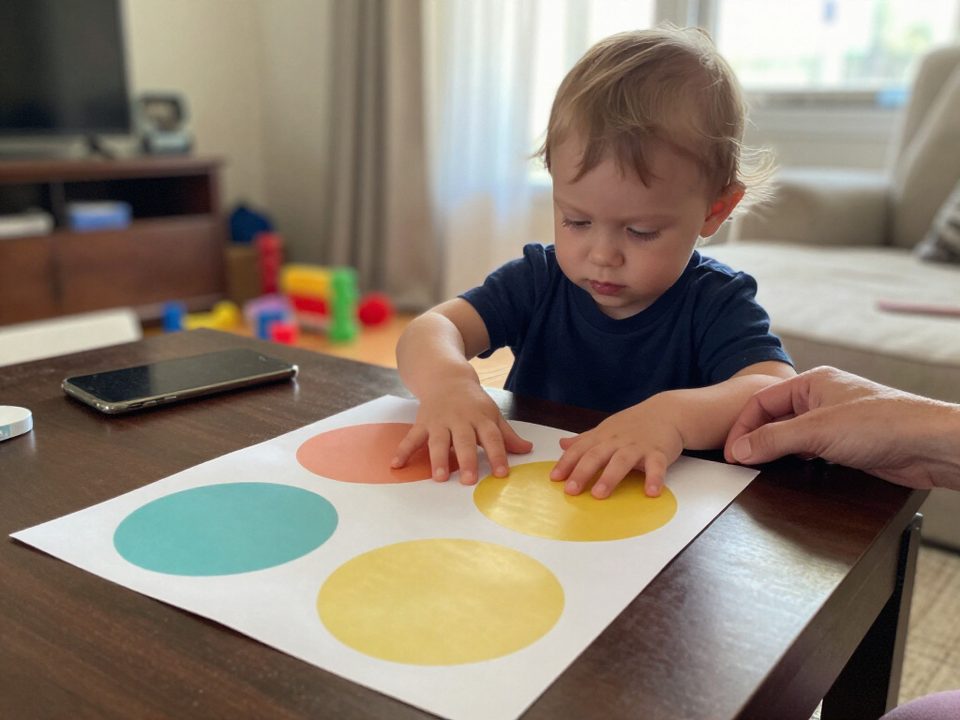
A toddler behavior chart for a 2 year old looks different than one for a school kid. This one has four picture rows, one sticker each, and a reward the same day. You print a fresh chart every morning, and it works because it lives in the moment.
Download the charts
One-page PDFs with a blank name line. Pick paper and ink once, every button changes.

My Picture Chart
Picture behavior chart for toddlers and preschoolers, 4 big rows.
Download letter PDF
My 10 Sticker Chart
10 extra-big sticker boxes for a 2 or 3 year old, same-day reward.
Download letter PDFDoes a 2 year old need a behavior chart
Honest answer: usually a routine works better than a chart at 2. A toddler cannot connect Tuesday's sticker to Tuesday's behavior. The reward has to happen within minutes, not at the end of the week.
A chart helps when you target one specific behavior, like keepnig hands down or staying in bed. It also helps if your child loves stickers and the ritual of sticking one on. What it cannot do is fix every tantrum or teach patience. It is a visual cue, not a magic wand.
For more on how to use rewards well, see our positive reinforcement examples.
The four picture rows
The printable has four rows, each with a simple picture: kind hands, listening, sharing, and sleep time. Each row has one big box for a sticker, and a line at the bottom for a same-day reward. The pictures let a 2 year old see what is expected without reading.
The chart comes in letter and A4, in color and an ink-saving black outline version. Print at 100 percent, not fit to page. The boxes fit a 1.5 inch round sticker or a 1/2 inch star sticker.
You can also browse other free printable behavior charts if you need a different layout.
Using it in one day
The whole point is to keep the chart inside one day. Here is how to do it tonight or tomorrow morning.
- Show the chart at breakfast. Point to each picture and name it.
- The sticker comes within a minute of the behavior. Do not wait until bedtime.
- Let your child stick the sticker on. The sticking is half the fun.
- At the end of the day, give the same-day reward you wrote on the line.
- Throw the chart away and print a new one tomorrow. No carryover, no tally.
This one-day cycle matches how a toddler's brain works. The chart is a bridge, not a scorecard.
Rewards for toddlers
A reward for a 2 year old should be instant and free. It does not have to to be a toy or a treat. Here are eight that work.
- A high five and a big yes
- A silly song together
- Blowing bubbles in the yard
- One extra story at bedtime
- A stamp on the hand
- A ride on your shoulders
- Choosing the cup for milk
- A sticker on their shirt
Skip food and screens as rewards. They are hard to undo and can lead to power struggles. For more ideas, see our reward ideas.
When to stop
The chart is a bridge for a few weeks, not a permanent system. Stop when the behavior becomes a habit, usually after two to four weeks of consistency. You will know because the sticker becomes less exciting and the behavior is just what you do.
When you stop, praise the behavior with words, not stickers. If your child is ready for more structure, move to the preschool chart or a simple routine chart. You can also try a smiley face chart for a change of pace.
More behavior charts
Every page hands out its own chart. All behavior charts.
ABC behavior chart (antecedent behavior consequence)
ABC data sheet + if/then chart
Free printableBehavior chart for kids with ADHD
Short-interval chart (half days)
Free printableBehavior chart for adults (habit and accountability)
Adult habit chart
Free printableReward chart for autistic children (visual, token board)
Token board 5 and 10
Free printableChristmas behavior chart (countdown to the 25th)
Countdown chart
Free printableColor coded behavior chart (and the clip chart debate)
Color chart + alternatives
Free printableKindergarten behavior chart
hub set
Free printableFree printable behavior chart templates
Blank + editable PDF
Free printableSmiley face behavior chart
Smiley chart, daily
Free printableBehavior tracking sheets, logs, point sheets and frequency charts
Tracking sheet pack
Free printableGuides on behavior and rewards
Short guides that end at a chart you can print tonight.

Positive reinforcement examples for kids, at home and in class
See real examples of positive reinforcement at home and in class, then print a chart that puts one into action tonight.
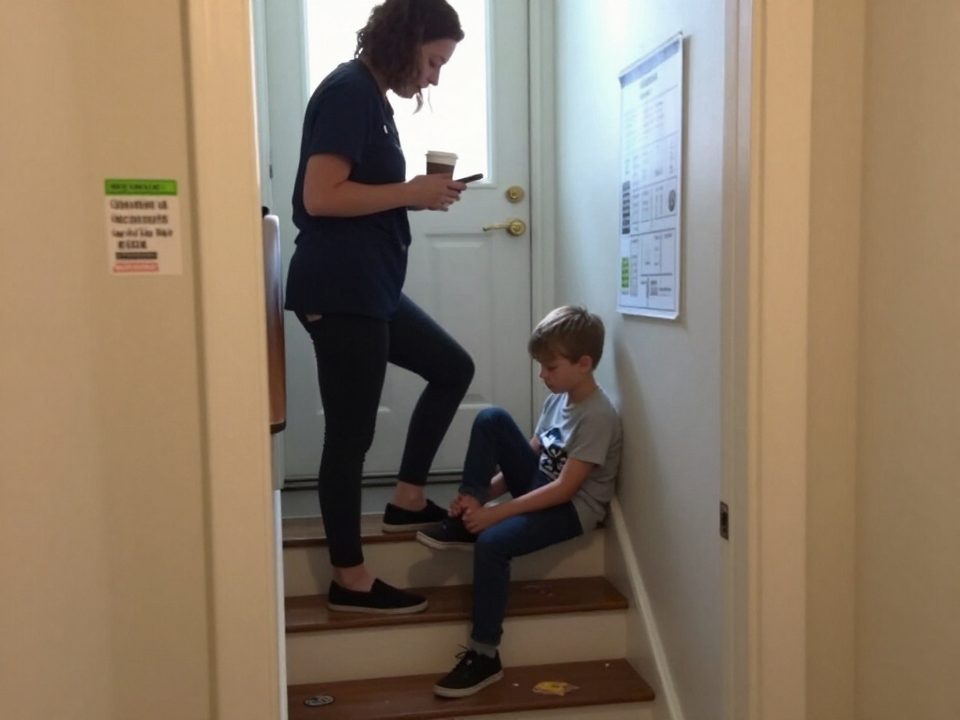
Positive vs negative reinforcement: what each one looks like with a child
Learn what negative reinforcement actually looks like with a child, and how to tell it apart from punishment, so you can choose the right chart.
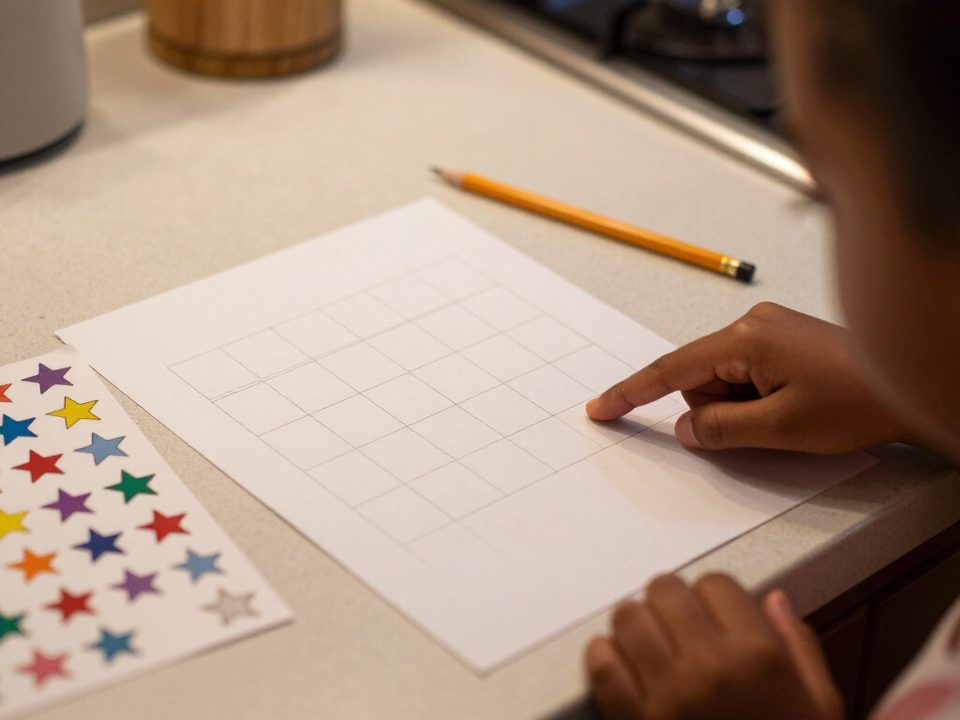
Behavior chart examples for home, with the goals that work
Browse behavior chart examples that work at home, with the goals that keep a child engaged past the first week.
Print it, then stick it to the fridge
Sticker paper that fits every chart on this site, and the bits that keep a chart up all week. Links go to Amazon and we may earn a commission.
Goes with a behavior chart
Smiley stickers, a timer for the short intervals and the magnets that keep it on the fridge.
Questions parents ask
Do behavior charts work for 2 year olds?
Yes, but only if the reward is immediate. A 2 year old cannot connect a sticker on Tuesday to behavior on Monday. Use a chart that lasts one day, with one sticker per behavior and a reward the same day. That works because it matches how a toddler thinks.
What goes on a toddler behavior chart?
A toddler chart should have pictures, not words. Use four simple behaviors like kind hands, listening, sharing, and sleep time. Each behavior gets one box for a sticker. Add a line for a same-day reward. Keep it to one page, printed at 100 percent.
How long should a toddler behavior chart run?
Run it for two to four weeks, then stop. The chart is a bridge to build a habit, not a permanent system. When the behavior becomes automatic, throw the chart away. If you keep it too long, it loses its power and becomes background noise.
What rewards work for toddler behavior?
Instant, free rewards work best. A high five, a song, bubbles, an extra story, a stamp, a ride on shoulders, or letting them choose the cup. Avoid food and screens. The reward should happen within minutes of the behavior, and it should be something your child loves.