- Home
- Behavior charts
- Behavior tracking sheets, logs and point she
Behavior tracking sheets, logs and point sheets
A behavior log is for the adult, not the child. Use these plain tracking sheets to record incidents and spot a pattern in two weeks, then change what comes before or after.

Download the charts
One-page PDFs with a blank name line. Pick paper and ink once, every button changes.


Three sheets for three jobs
These three tracking sheets are simple and useful. They are not decorated, because they are tools for the adult. Each sheet is a one-page PDF in letter and A4, in color and an ink saving version. Print at 100 percent, not fit to page.
The log records one incident per line. The frequency chart uses tally marks per day. The daily point sheet scores blocks of the day. All charts include a blank name line and the reward boxes fit a 1.5 inch round sticker or a 1/2 inch star sticker.
Sign up with your email and the builder prints the child name on a sticker sheet, a star chart and a chore chart made in your browser. Grab the set from downloads.
- The log: used by parents or staff who write each incident as it happens.
- The frequency chart: used by teachers or parents who tally repeated behaviors.
- The daily point sheet: used by both home and school to score blocks of the day.
How to fill in a behavior log
Keep the columns the same each time. Use the same words for each column so patterns are clear later. Fill the page within the hour after the incident so details stay accurate.
Avoid writing opinions or guesses. Record facts you saw or heard, and the exact response you tried. Use the same column headings every time.
- date
- time
- where
- behavior
- response
- notes
For examples of filled logs and simple layouts see our printable examples and tips at guides/behavior-chart-examples.
Reading the pattern after two weeks
Two weeks of steady tracking gives a clear view. Look for repeating times, places and triggers. A short review will point to to one change to try, either before the behavior or after it.
Share the records with anyone else who works with the child. When teacher and parent records match, you can plan the next step more confidently. See ideas for using positive responses at guides/positive-reinforcement-examples.
- Time of day when incidents happen
- The setting where they occur
- What usually came right before
- Which response stopped it fastest
- Days with no entries at all
- Whether teacher and parent see the same pattern
The frequency chart
A frequency chart is a compact grid with a box for each day and a tally mark each time the behavior happens. Use five behaviors across seven days with totals in the last column.
This chart beats a log when a behavior happens many times a day. Tallying is faster than writing full incidents, and totals show whether it is rising or falling. Download a printable frequency sheet at behavior-charts/printable.
- Tally marks in each day box
- Five behaviors listed down the side
- Seven day columns across the top
- A totals column at the end
Use the frequency chart when you need a quick view across days instead of detailed incident notes.
The daily point sheet
Divide the day into four blocks and score each block. Give a small number of points per block, then write a daily total. Keep the scoring the same each day so totals are comparable.
Use one sheet for school and home together. Add a short note home about what worked that day. For guidance on reinforcement methods see guides/positive-vs-negative-reinforcement.
- Four blocks of the day to score
- Points assigned per block
- A daily total line
- A brief note home section
A daily point sheet helps coordinate expectations across settings. It keeps feedback clear for the child and the adults.
From tracking to a support plan
A behavior support plan is a short plan based on what the tracking shows. It is not a medical label. It lays out one clear change to try before the behavior and one clear change to the response after it.
Pick a simple, testable change and set a date to review results. Share the plan with everyone who fills the sheets. See clasroom and staff versions at classroom/behavior-charts/.
- The pattern you saw in two weeks
- One change to what comes before
- One change to what comes after
- A review date to check progress
Keep plans short and specific. Track the same way after the change so you can see if it helped.
More behavior charts
Every page hands out its own chart. All behavior charts.
ABC behavior chart (antecedent behavior consequence)
ABC data sheet + if/then chart
Free printableBehavior chart for kids with ADHD
Short-interval chart (half days)
Free printableBehavior chart for adults (habit and accountability)
Adult habit chart
Free printableReward chart for autistic children (visual, token board)
Token board 5 and 10
Free printableChristmas behavior chart (countdown to the 25th)
Countdown chart
Free printableColor coded behavior chart (and the clip chart debate)
Color chart + alternatives
Free printableKindergarten behavior chart
hub set
Free printableFree printable behavior chart templates
Blank + editable PDF
Free printableSmiley face behavior chart
Smiley chart, daily
Free printableBehavior chart for toddlers and preschoolers
Picture behavior chart
Free printableGuides on behavior and rewards
Short guides that end at a chart you can print tonight.

Positive reinforcement examples for kids, at home and in class
See real examples of positive reinforcement at home and in class, then print a chart that puts one into action tonight.
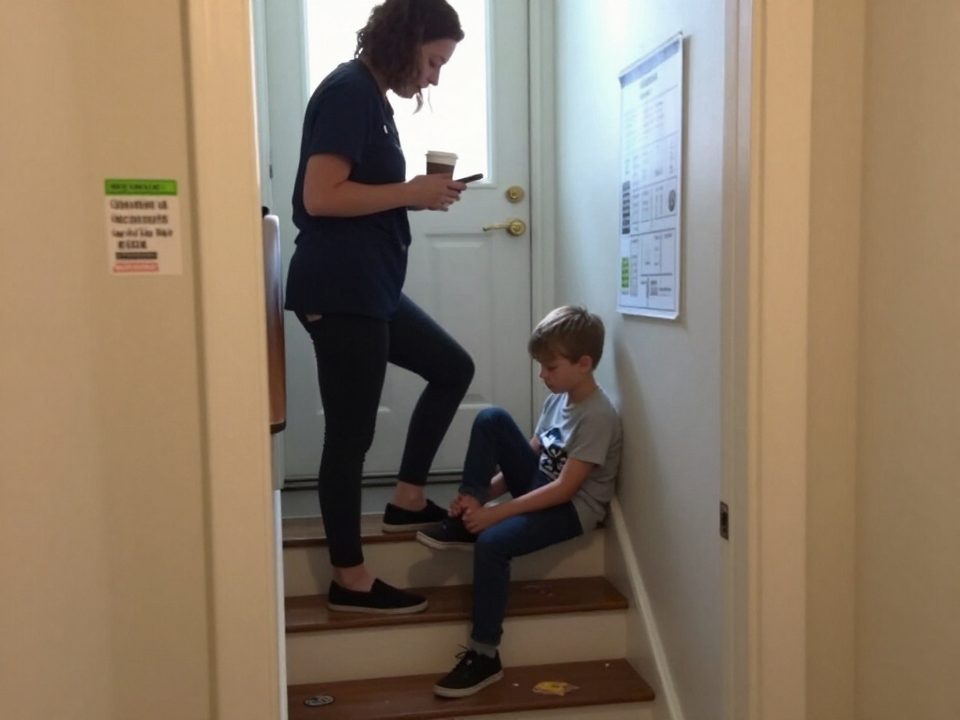
Positive vs negative reinforcement: what each one looks like with a child
Learn what negative reinforcement actually looks like with a child, and how to tell it apart from punishment, so you can choose the right chart.
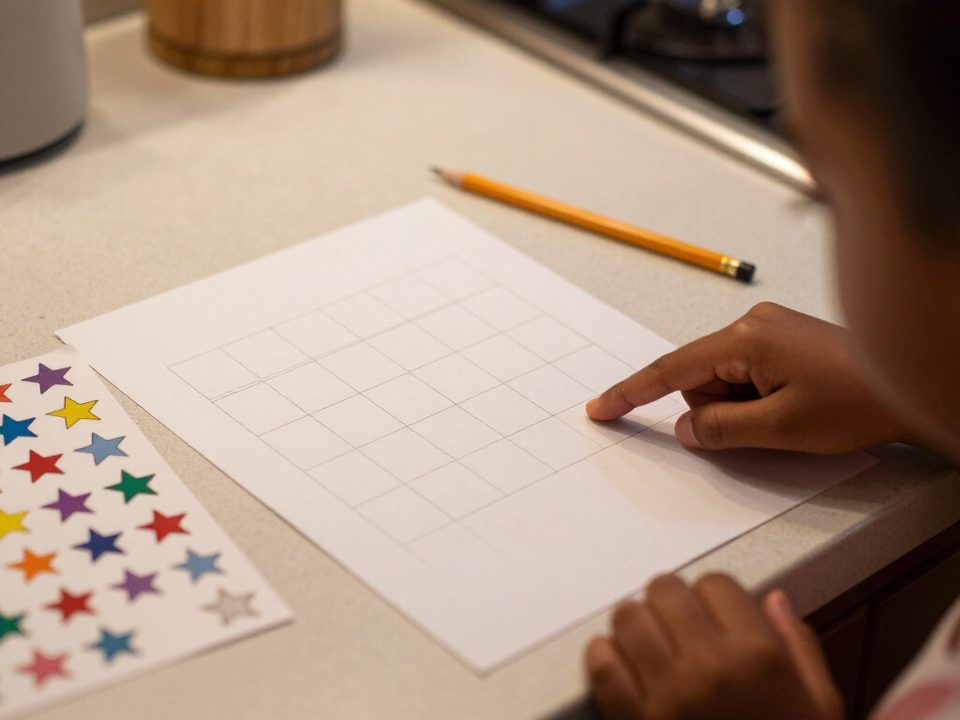
Behavior chart examples for home, with the goals that work
Browse behavior chart examples that work at home, with the goals that keep a child engaged past the first week.
Print it, then stick it to the fridge
Sticker paper that fits every chart on this site, and the bits that keep a chart up all week. Links go to Amazon and we may earn a commission.
Goes with a behavior chart
Smiley stickers, a timer for the short intervals and the magnets that keep it on the fridge.
Questions parents ask
What is a behavior log?
A behavior log records one incident per line with set columns like date, time, where, behavior, response and notes. It is a tool for adults to capture facts, not opinions, so patterns become visible after repeated entries.
How long should I track a behavior?
Track the behavior for two weeks of regular records. That period usually shows time of day patterns, common triggers and whether responses change frequency. Keep the same columns and fill within the hour.
What is the difference between a behavior log and a frequency chart?
A behavior log gives detailed incident notes, one line per event. A frequency chart uses tally marks to count repeated behaviors across days. Use a log for detail and a frequency chart when events happen many times a day.
What is a daily point sheet?
A daily point sheet divides the day into four blocks and assigns points per block. It records a daily total and a short note home. Use it to coordinate expectations across school and home.
What is a behavior support plan?
In plain words, a behavior support plan picks a pattern from tracking, names one change to try before the behavior, one change to the response after it, and sets a date to review whether it worked.