How to make a chore chart that lasts past the first week
A chore chart survives when the reward comes fast and the chores stay few. Pick three chores the child can already do, write the reward on the chart, and reset every Sunday. This guide shows you how.

If you want to know how to make a chore chart that your child actually keeps using, start with the day it usually dies. Most charts fade by day nine, when the novelty is gone and the reward is still five days away. This guide plans for day nine from the very start.
Why charts die on day nine
The first week of a new chore chart is easy. The stickers are new, the child is excited, and you are both checking the box each morning. Around day nine, that excitement is gone and the reward is still days off.
The second problem is the chart itself. Many charts list eight chores, which is too many for a young child to track and too much for you to enforce. The reward sits at the end of a long row of boxes, and the child stops believing they will ever reach it.
This guide plans for day nine in three ways. First, it keeps the chore list short. Second, it puts the reward within reach of the first week. Third, it builds in a Sunday reset that keeps the chart alive for six weeks or more.
You can make a chart tonight with things you already own. You do not need a special board or a fancy app. You need a plan that matches the child, and this is that plan.
Step 1: pick three chores the child can already do
The third-try test tells you which chores to pick. If the child can do the chore successfully on the third try, it is ready for the chart. If not, pick something easier.
Use the age pages to match chores to your child's stage. A 3-year-old and a 10-year-old have very different abilities, and the chart should reflect that.
Here are three examples per age band to get you started.
- Ages 3 to 4: put toys in the bin, put clothes in the hamper, wipe the table with a cloth.
- Ages 5 to 6: make the bed, feed a pet, sort laundry into piles.
- Ages 7 to 8: load the dishwasher, sweep the floor, fold towels.
- Ages 9 to 10: unload the dishwasher, vacuum a room, prepare a simple snack.
Keep the list at three chores for the first three weeks. You can add a fourth later if the child asks for more responsibility. The goal is consistency, not coverage.
Step 2: write the reward before the first sticker
The reward needs to be small, and it needs to arrive by day seven. A trip to the zoo in a month will not carry a 5-year-old through the week. A special dessert, a small toy, or a movie night will.
Ask the child what they want and write their words on the reward line. If they say "ice cream," write "ice cream." If they say "stickers," write "stickers." This makes the goal feel real.
Here is a short list of rewards that work well for a first chart.
- A special dessert
- A small toy from the dollar store
- A movie night with popcorn
- A trip to the playground
- A new book
- A craft activity together
For more ideas, see the reward ideas page. Keep the reward small enough that you can deliver it on day seven without stress.
Step 3: print, or make it by hand
You have two good options. Print a blank chart and write the chores in by hand, or use the fillable template and type them in before printing. Both work for a child who cannot read yet.
A DIY chart on card stock with a ruler is also fine. Draw a grid with seven columns for the days and three rows for the chores. Leave a space at the top for the child's name and a line at the bottom for the reward.
Every version needs the same four things: rows for the chores, days across the top, a reward line, and a name line. Without these, the chart is just a picture.
| Version | Time to make | Best for |
|---|---|---|
| Printed chart | 5 minutes | Parents who want it now |
| Fillable PDF | 5 minutes | Typing the chores in |
| Hand-drawn | 15 minutes | A quick DIY project |
| Magnetic board | 10 minutes | Reusable at home |
Print at 100 percent, not fit to page, so the sticker boxes stay the right size. The reward boxes fit a 1.5 inch round sticker or a 1/2 inch star sticker.
Step 4: hang it where the chore happens
A chore chart works best when the child sees it at the moment of the chore. Hang it in the room where the chore happens, at the child's eye level. A chart in the hallway gets ignored.
For a family chart that tracks everyone's chores, the fridge is a good spot. The child can reach it, and you will see it too. For a single chore like making the bed, hang the chart in the bedroom.
Make sure the chart is visible and reachable. If the child has to ask you where the chart is, the chart has already lost.
Step 5: the first week
The first week sets the pattern. Do each chore together once, so the child knows what "done" looks like. Then let the child put the sticker on the chart. This is the reward moment.
Do not comment on quality in the first week. The bed will be lumpy and the towels will be crooked. Say nothing. The sticker is the reward for trying, not for perfection.
Here is the first week in five steps.
- Do each chore together once, slowly.
- Let the child place the sticker each time.
- Say only what the child did well.
- Keep the chart in the same spot all week.
- Give the reward on day seven, even if a box is empty.
The reward on day seven is the whole point. If the child missed a day, give the reward anyway and talk about the empty box on Sunday. The first week is about building the habit, not enforcing perfection.
The Sunday reset
Every Sunday, sit with the child and count the stickers together. This takes two minutes. Then give the reward for the week, even if it was small. The reward is what makes the next week possible.
Swap one chore for another if the child is bored or the chore is too hard. Keep the total at three. If the chart is torn or stained, print a fresh one and move the stickers over.
The Sunday reset is what carries the chart to six weeks. It turns a one-time novelty into a weekly rhythm. After six weeks, the chores may be habits, and the chart can change.
When to retire it
The habit test tells you when to stop. If the child does the chore without being reminded, the chart has done it's job. You can retire the chart or switch to a new set of chores.
Some families move to a magnetic board that can be wiped clean and reused. Others just stop using a chart. Both are fine.
If the child asks for a chart again, that is a good sign. It means the system felt fair. You can also try a family chart where everyone tracks their own chores.
Charts that go with this guide
Free one-page PDFs with a blank name line. Pick paper and ink once, every button changes.


Stickers and paper for the chart
The reinforcer has to be in the drawer before the first star is earned. Links go to Amazon and we may earn a commission.
Questions parents ask
How do I make a chore chart?
Pick three chores the child can already do. Write them on a printable chart or draw a grid on card stock. Add a reward line and a name line. Hang it at the child's eye level and start on a Sunday.
What should a chore chart include?
A chore chart needs a name line, three chore rows, seven day columns, and a reward line. The reward line is the most important part. Without it, the chart is just a list.
How many chores should be on a chore chart?
Three chores is the right number for a first chart. More than five overwhelms a young child. You can add a fourth chore after three weeks if the child is handling three well.
How do I get my kid to keep using the chore chart?
Keep the reward within a week and reset every Sunday. Do the chores together at first. Let the child place the stickers. Swap one chore when it gets boring. Praise the effort, not the quality.
Should I make a chore chart by hand or print one?
Print one if you want it done in five minutes. Draw one by hand if you want a quick project with your child. Both work, as long as the chart has the name, chores, days, and reward line.
Read next
Short guides that end at a chart you can print tonight.
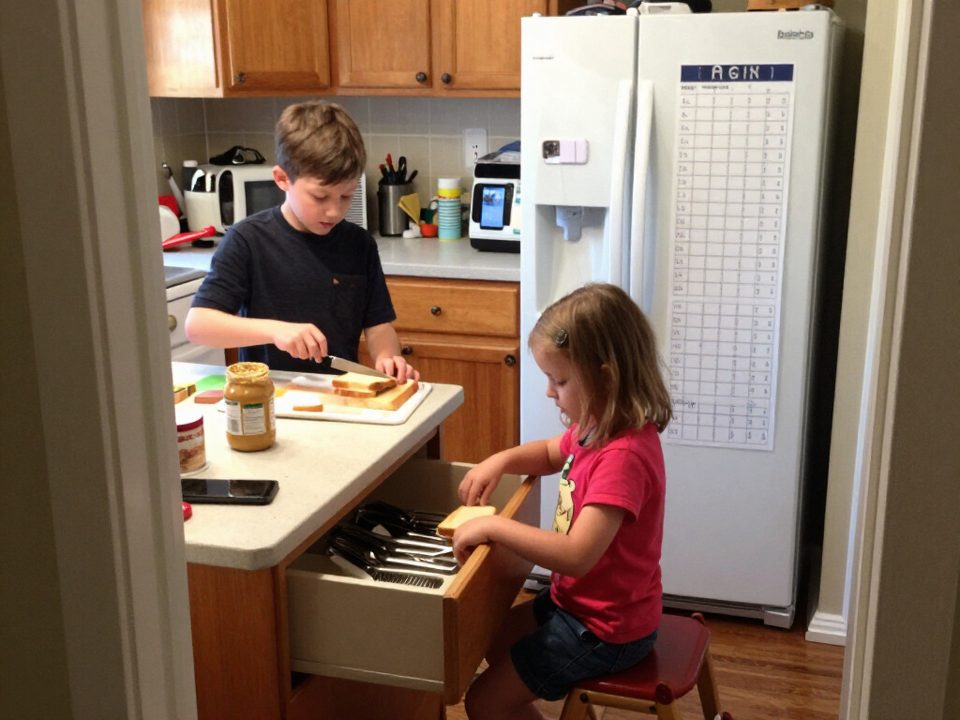
Should kids have chores? What changes at 3, 6 and 10
See what changes for chores at age 3, 6, and 10, and match the right chore chart to your child's stage.

How to get kids to do chores without nagging
Get kids to do chores without nagging, using a chart that makes the next step obvious.
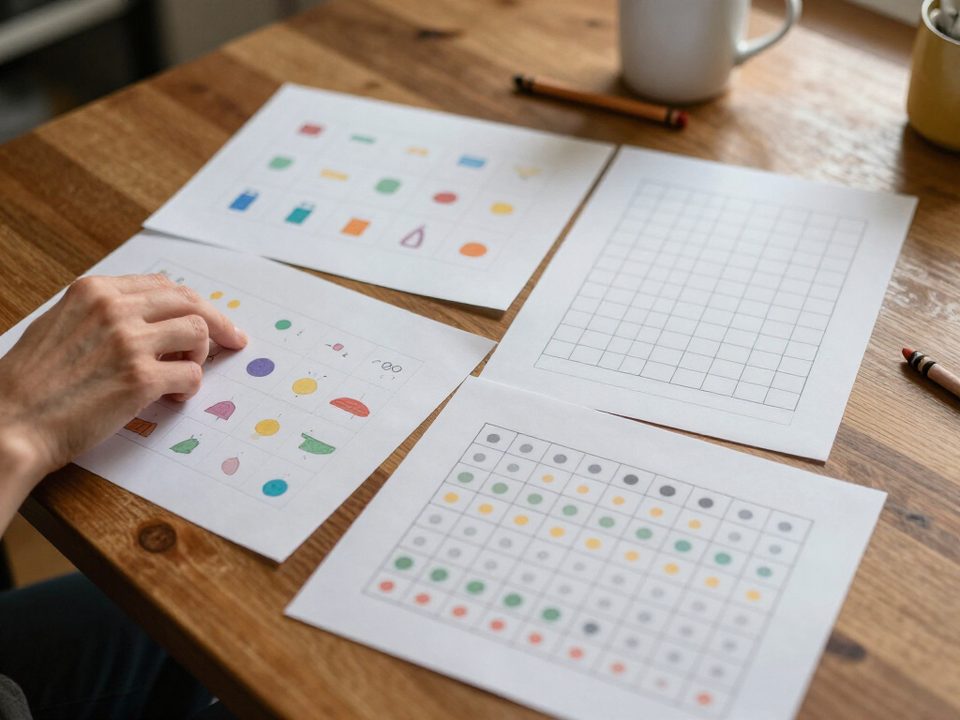
The best chore chart for kids, by family and by age
Find the best chore chart for your family and your child's age, with options that fit different routines.