The best chore chart for kids, by family and by age
There is no single best chore chart for kids. The right one depends on your child's age, reading level, and how many children share the kitchen. This guide walks you through four quick questions and points you to the chart that fits your family.
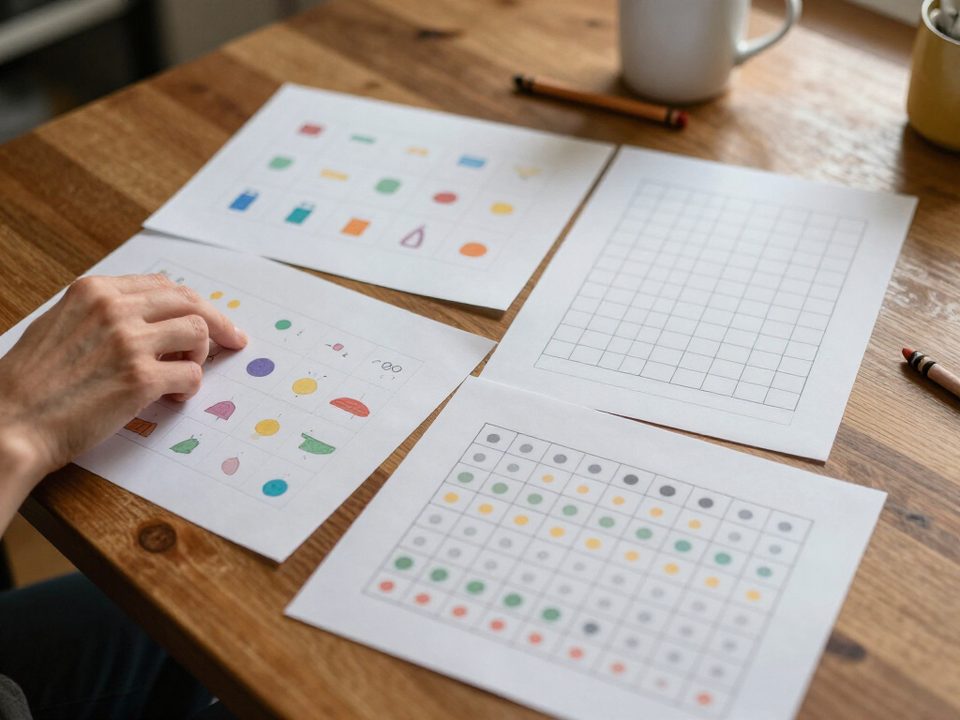
Looking for the best chore chart for kids? The answer is not one chart, but the chart that fits your child, your fridge, and your routine. Start with four questions, and you will know which one to print tonight.
Four questions before you print
Ask yourself four things before you choose a chart. The answers will narrow the options fast and keep you from buying a board that gathers dust.
How many children will use it? One child can have a personal chart. Two or more often work better on a single family grid.
Can the child read? A non-reader needs pictures and colored boxes. A reader can handle written chores and check marks.
Do you want to reprint or wipe? Paper charts are cheap and easy to replace. Magnetic boards are reusable but need a dry-erase marker and a clean routine.
Will you pay for completed chores? If yes, a points chart with a payday tracker works. If not, a simple sticker chart with a same-day treat is enough.
Best chore chart for one child who cannot read
For a child who cannot read, the best chore chart for kids uses pictures, not words. Our 3 year old chart and 4 year old chart show simple icons for tasks like putting toys away or feeding a pet.
Each chart has sticker boxes that fit a 1.5 inch round sticker or a 1/2 inch star. Your child sees the picture, does the task, and places the sticker in the box. The reward should happen the same day, not at the end of the week.
Print the color version or the ink saving black outline. Write the child's name on the blank line and hang it at eye level. Use a sticker after each completed task, and let your child place it themselves.
- Picture rows for non-readers
- Sticker boxes sized for round or star stickers
- Same-day reward keeps momentum
- Print at 100 percent, not fit to page
Best chore chart for a reader
Once a child can read, written rows work better than pictures. The 5 to 7 year old charts have space for three to five chores written as short phrases, like "make bed" or "clear plate."
Use a check mark or a small sticker in each box. Write the standard for each chore on the chart so there is no argument about what "clean room" means. For example, "clothes in hamper, books on shelf, toys in bin."
A reader can also see the whole week at a glance. This helps them connect today's work with tomorrow's reward. Keep the chart on the fridge or a clipboard at kid height.
Best chore chart for multiple kids
When you have two or more children, the best chore chart for multiple kids is a family grid. The family chart has names across the top and chores down the side, so each child sees their own column.
Each child gets their own sticker or check mark in their row. The family reward is shared, like a movie night or a trip to the park, wich encourages cooperation instead of competition.
Separate charts are better when the children are far apart in age or have very different chores. A 3 year old and a 10 year old will not work well on the same grid. In that case, print one chart per child and hang them side by side.
Best chore chart for points and allowance
If you pay for chores, a points chart gives you a clear system. The 8 year old chart has boxes for points per chore and a total at the end of the week.
Assign a point value to each chore, like 1 point for making the bed and 2 points for taking out the trash. The child writes their own points after you check the work, which builds honesty and math skills.
The allowance chart adds a payday tracker. It has a column for each week and a space to write the amount earned. The payday tracker helps you and your child see the balance at a glance, so there are no surprises on payday.
Paper chart, magnetic board or app
You have three main options: paper, magnetic board, or app. Each has a place, but paper wins for the first six weeks because it is visible, simple, and easy to change.
A paper chart hangs on the fridge and does not need charging or a password. You can print a new one when the routine changes. The act of writing a sticker or check mark is part of the reward for young children.
Magnetic boards are reusable and look neat, but they need a marker that does not smudge and a regular wipe clean. Apps are handy for older kids but can be forgotten behind a screen. See our boards and stickers page for board options and sticker paper that works with our charts.
| Option | Best when | Downside |
|---|---|---|
| Paper chart | Young kids, first weeks | Need to reprint |
| Magnetic board | Reusable, older kids | Marker smudges |
| App | Teens, remote tracking | Easy to ignore |
Best chore chart for teens
Teens do not want stickers or stars. The teens chart is a monthly grid with blank rows for chores and a column for notes. It looks more like a planner than a reward chart.
Let your teen fill in their own chores and check them off. The reward is the freedom of managing their own time, plus a monthly privilege like later bedtime or a small outing.
Print a new one each month and let your teen keep it in their room or on the fridge. The chart works best when you agree on the chores and the reward together, not when you assign it.
The chart that gets used
The best chore chart for kids is the one that actually gets used. That means it is at kid height, has a reward written on it, and you remember to use it for at least six weeks.
Hang the chart where you and your child both see it every day, like the fridge or a bedroom door. Write the reward at the top before you start, so the child knows what they are working toward.
If you want to make your own, the fillable template lets you type in chores and the child's name. Print it at 100 percent and you are ready tonight.
Charts that go with this guide
Free one-page PDFs with a blank name line. Pick paper and ink once, every button changes.
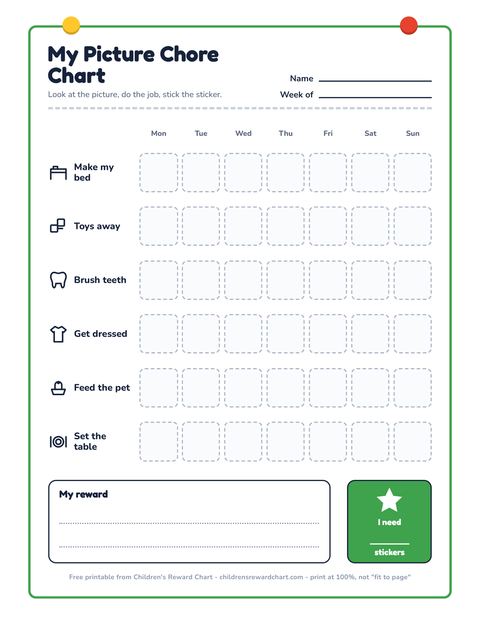
My Picture Chore Chart
Picture chore chart for children who cannot read yet, 6 icon tasks.
Download letter PDF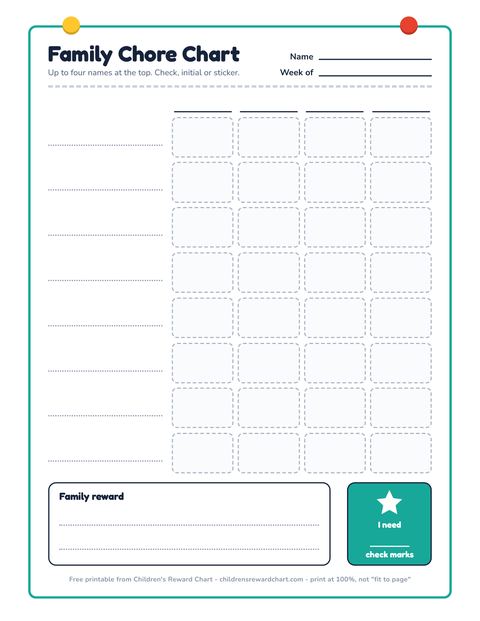

Stickers and paper for the chart
The reinforcer has to be in the drawer before the first star is earned. Links go to Amazon and we may earn a commission.
Questions parents ask
What is the best chore chart for kids?
The best chore chart for kids is the one that fits your child's age and reading level, and that you actually use for six weeks. For a non-reader, use picture charts. For a reader, use written rows. For multiple kids, use a family grid. Pick one and start tonight.
What is the best chore chart for multiple kids?
A family grid with names across the top works best when kids are close in age. It lets each child see their own column and work toward a shared reward. If ages are far apart, separate charts are better. Print one per child and hang them side by side.
Are magnetic chore charts better than paper?
Magnetic boards are reusable and look neat, but paper charts are simpler and more visible. Paper wins for the first six weeks because you can print a new one easily and the act of placing a sticker is part of the reward. Magnetic boards work well for older kids who will not lose the marker.
What chore chart works for a 4 year old?
A picture chart with large sticker boxes works best for a 4 year old. The child sees a picture of the chore, does it, and places a sticker in the box. The reward should be same-day, like a small treat or extra story. Print the chart at 100 percent and hang it at eye level.
Is there a chore chart app that works?
Some apps work for older kids and teens, but they are easy to ignore behind a screen. Paper charts are more visible and create a physical routine. For the first six weeks, a paper chart on the fridge is more likely to build the habit. Apps can be a backup for teens.
Read next
Short guides that end at a chart you can print tonight.
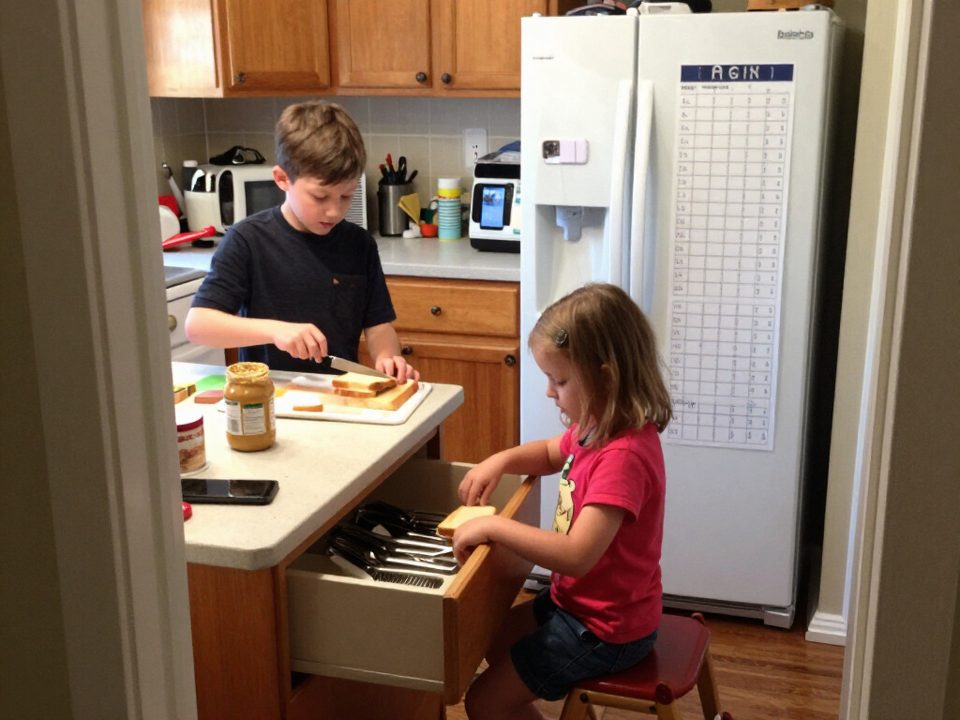
Should kids have chores? What changes at 3, 6 and 10
See what changes for chores at age 3, 6, and 10, and match the right chore chart to your child's stage.

How to make a chore chart that lasts past the first week
Build a chore chart that lasts past the first week, with simple steps you can do tonight.

How to get kids to do chores without nagging
Get kids to do chores without nagging, using a chart that makes the next step obvious.